Non surgical treatments
Epidural Spine injections
Endoscopic Spine surgery
Radiofrequency / Laser ablation
PRP/Stem cell therapy

Non-Surgical Back & Neck Pain Treatment
Book An Appointment
Call us in office time between 9.00am to 6.00pm
Get faster reply in just 30 minutes on WhatsApp
or you can email us at [email protected] to book an appointment with us.
Non surgical treatments
Epidural Spine injections
Endoscopic Spine surgery
Radiofrequency / Laser ablation
PRP/Stem cell therapy

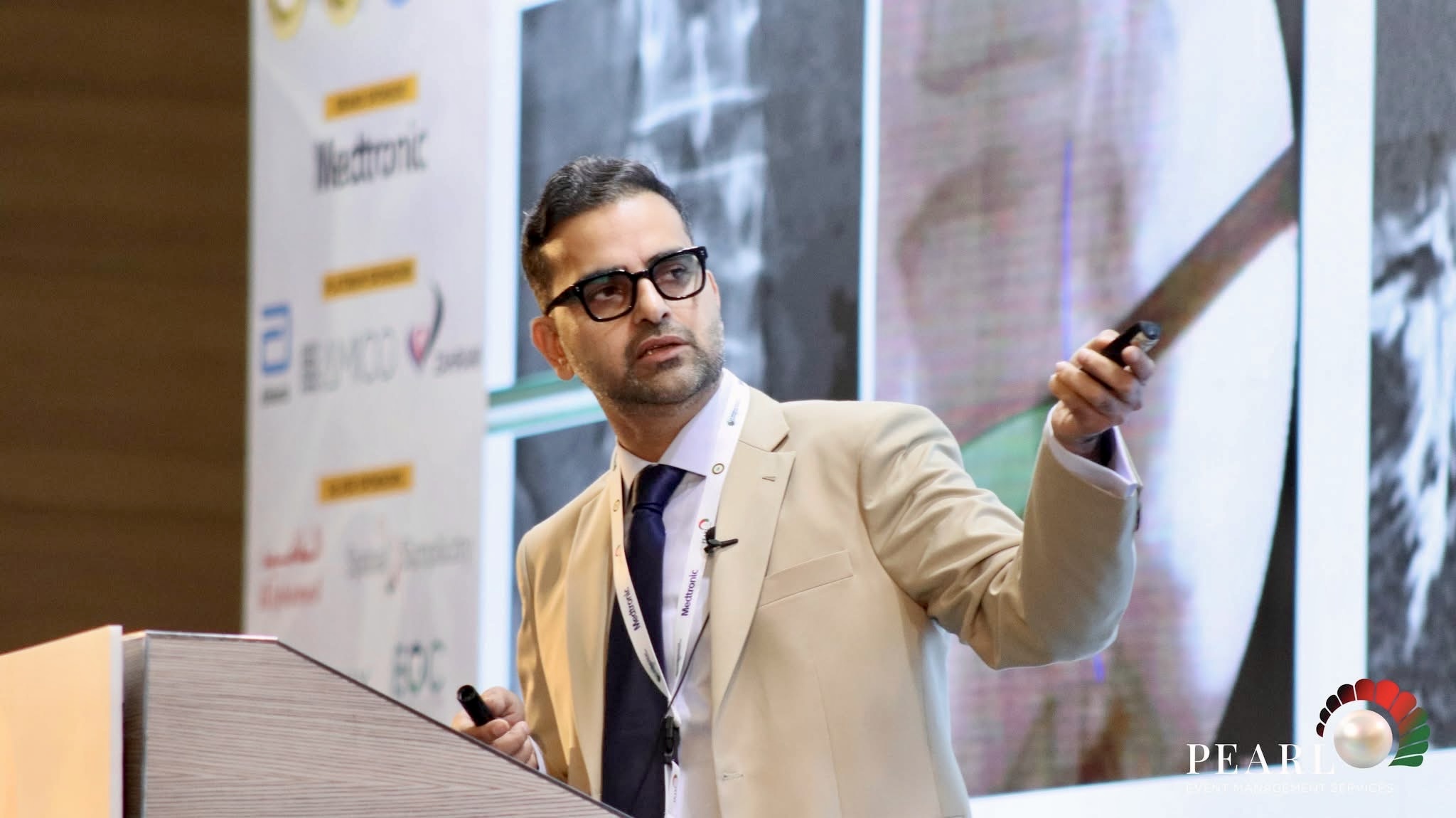
Dr. Manish Raj
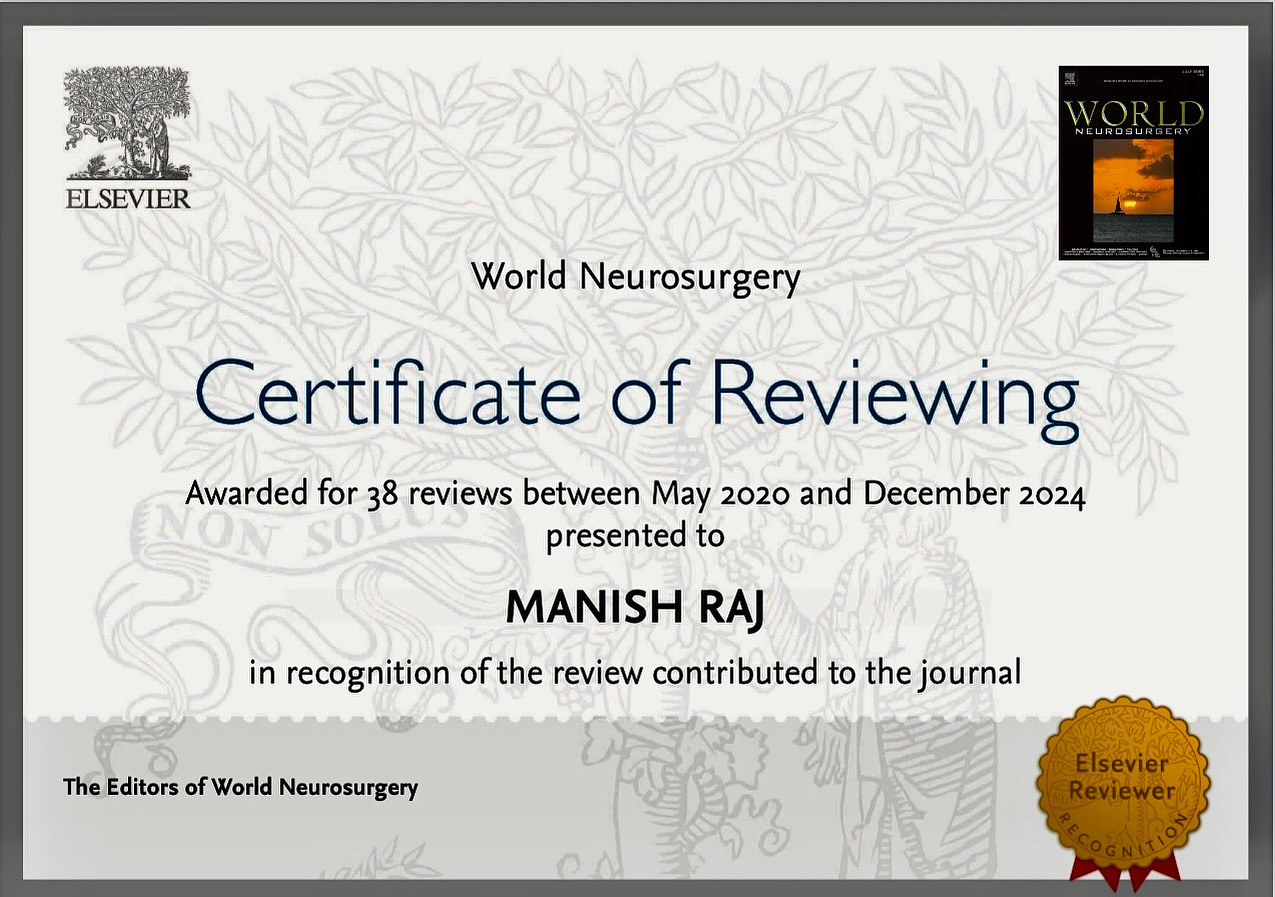
MD, DA(Gold Medal), FENDS, FIAPM, FISP, FPM
MEET YOUR DOCTOR
- 5000+ Interventional Spine & Pain Procedures
- 10000+ OPD/Day Care Procedures
- Pioneer in Endoscopic Discectomy in India
- 2000+ successful cases of Endoscopic/LASER Spine surgery done
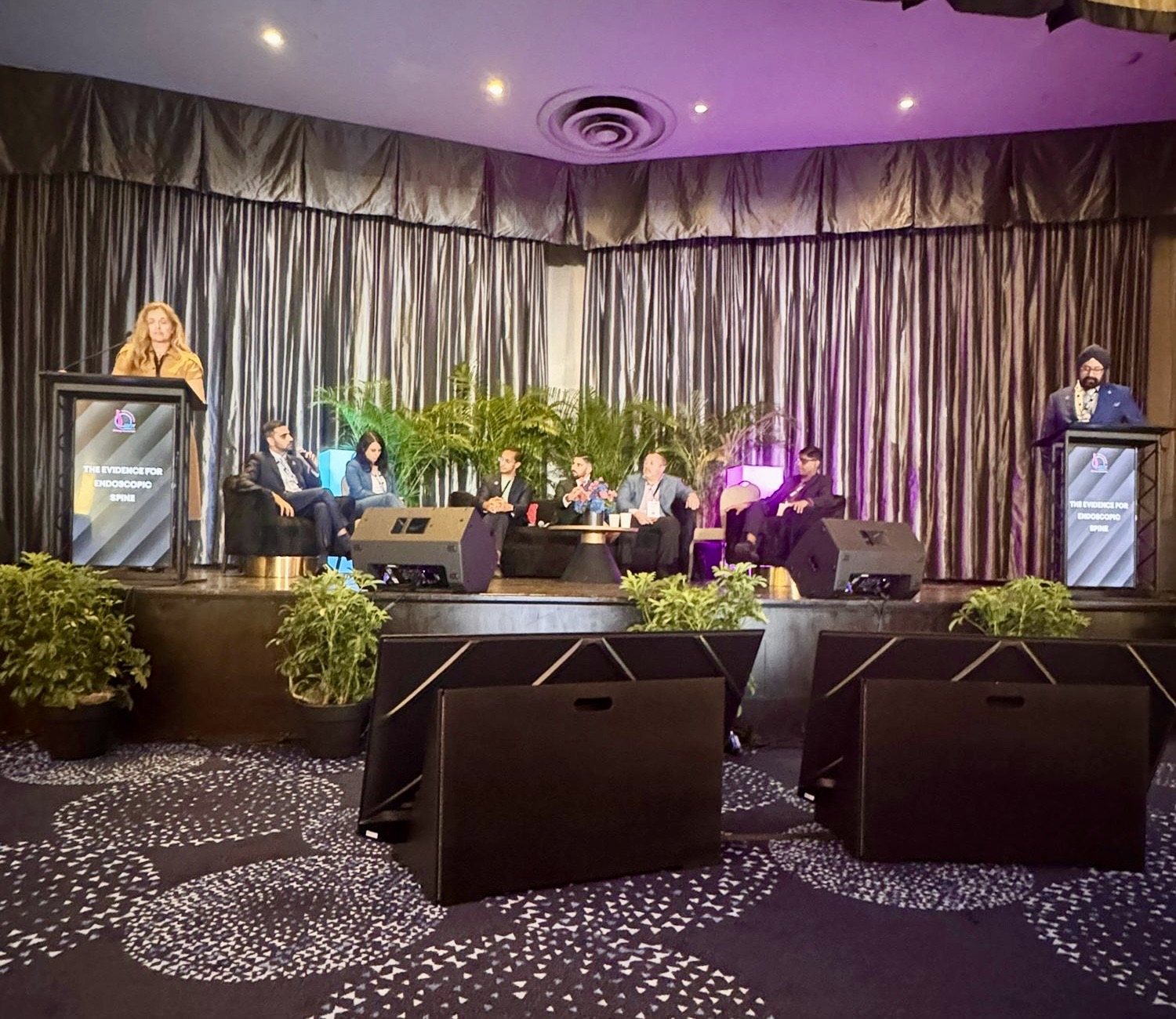
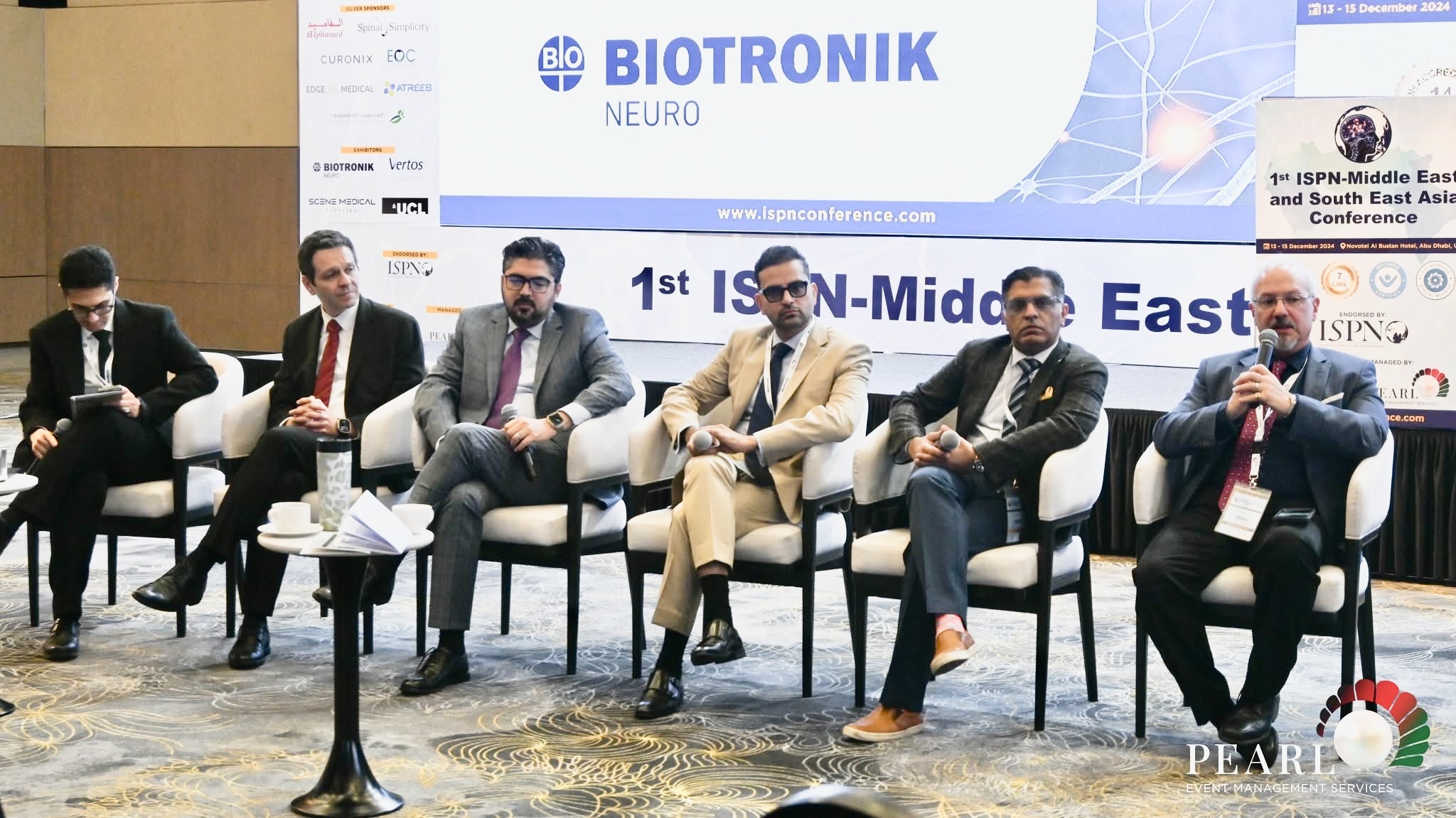
- International Faculty for Endoscopic Spine Surgery
- Trained in Germany, South Korea and India
Qualification and Training
- MD, DA (Gold Medal), FENDS, FIAPM, FISP, FPM
- Endoscopic spine & interventional pain consultant
- Fellow of endoscopic spine surgery (S.Korea)
- Fellow of Indian Academy of Pain (ISSP)
- Fellow of interventional spine & pain (PCI)
- Fellow of pain management ( Germany )
Relieve Back & Neck Pain Without Surgery
Back and neck pain can often be effectively managed without surgery. Non-surgical treatments focus on reducing pain, improving mobility, and helping you return to daily activities safely. Depending on your condition, treatment options may include medications, physiotherapy, lifestyle modifications, and targeted pain management procedures.
This approach is ideal for patients with conditions such as muscle strain, disc problems, arthritis, or early-stage spine issues.
Consult a spine specialist to understand which non-surgical treatment is best suited for your condition.
FEATURED IN GULF NEWS
Date: July 14, 2025
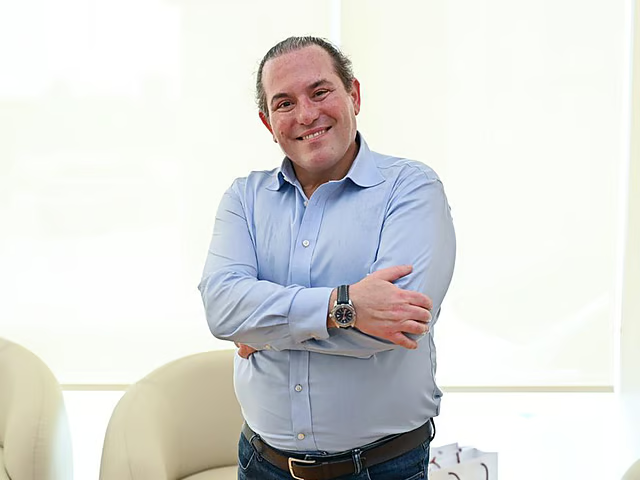
From agony to relief: Dubai dad pain-free after 15-year ‘pinched nerve’ battle
Dr. Manish Raj, Specialist in Interventional Pain Medicine, assured Fahed of a pain-free life. “It was a coincidence that I met Dr. Manish,” said Fahed.
From agony to relief: Dubai dad pain-free after 15-year ‘pinched nerve’ battle
FEATURED IN GULF NEWS
Date: July 30, 2025
Meet the UAE doctor battling Salman Khan’s painful and rare nerve disorder: ‘It’s hell’
Dr. Manish Raj, Specialist in Interventional Pain Medicine, assured Fahed of a pain-free life. “It was a coincidence that I met Dr. Manish,” said Fahed.

A combination photo of Dr Abdulrahman Mogharbel and Indian actor Salman Khan – both suffering from trigeminal neuralgia, a chronic condition that causes intense, electric shock-like facial pain.
FEATURED IN GULF NEWS
Date: June 12, 2025
Advanced Pain Treatment That Transforms Pain Management in The UAE
According to Dr. Manish Raj, Specialist in Interventional Pain Medicine at the Center, “Every Patient has a Unique Pain Story that Requires a Tailored Treatment Plan“.
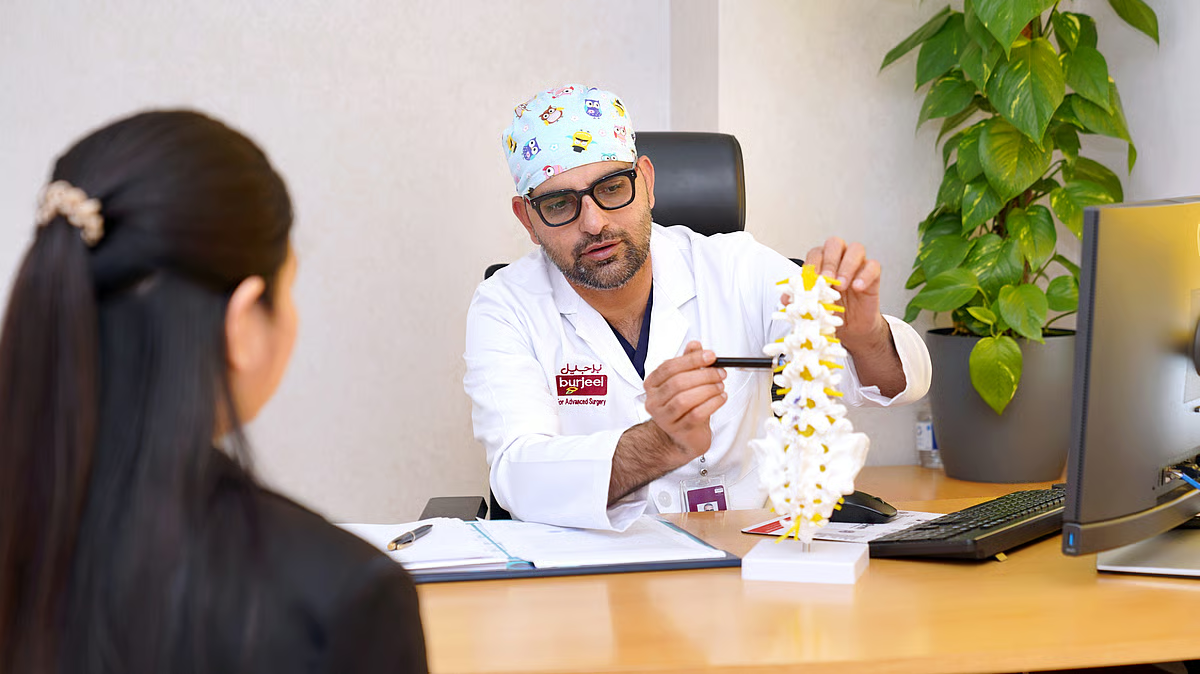
Dr Manish Raj, Specialist in Interventional Pain Medicine, at Burjeel Hospital Dubai, Explaining the Center for Advanced Pain Treatment’s Approach to Diagnosing and Treating Pain
FEATURED IN ARABIANBUSINESS
Date: July 14, 2025
Dubai’s first dedicated interventional pain management centre opens at Burjeel Hospital
Procedures offered include endoscopic spine surgery, SI joint fusion, indirect fusion, endoscopic-assisted fusion, spinal cord stimulator, intrathecal pump and day care pain interventions…
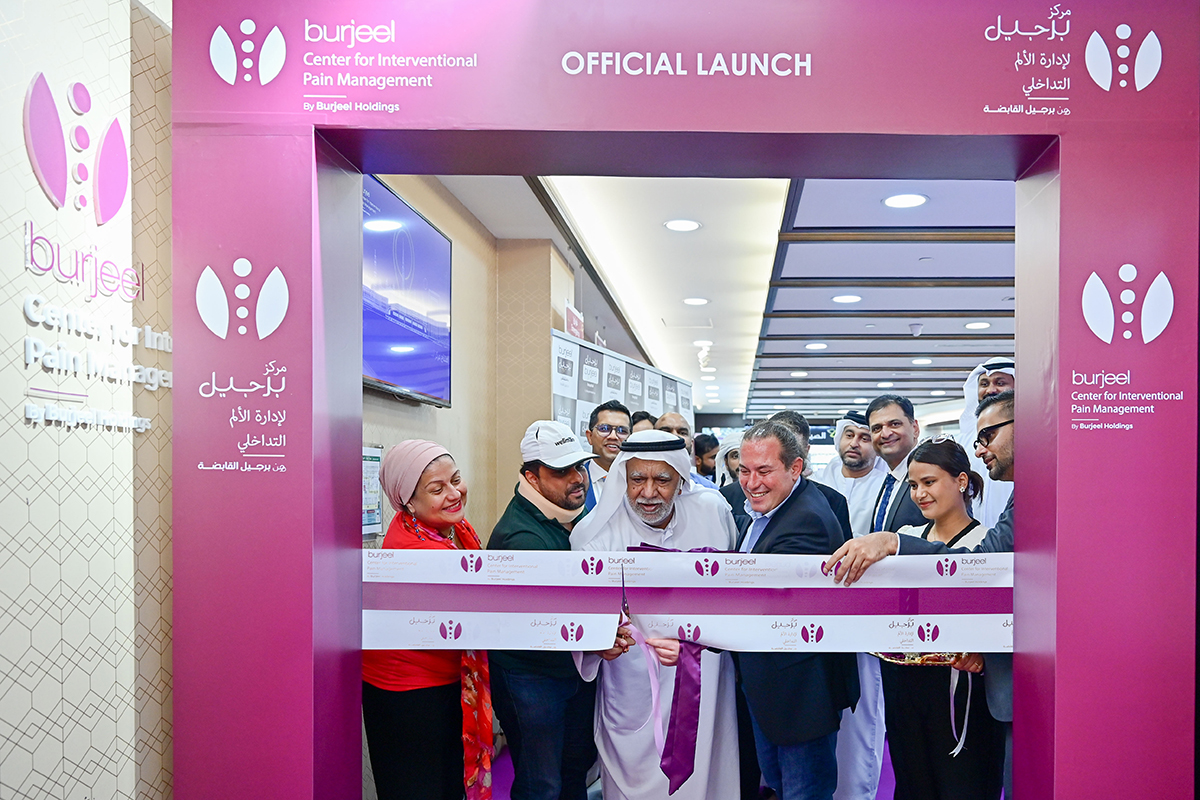
The facility combines clinical expertise with technology to diagnose and treat chronic spine and joint pain, cancer-related pain, and nerve and musculoskeletal disorders.
FEATURED IN ALBAWABA
Date: July 14, 2025
Burjeel Hospital Launches ‘Burjeel Center for Interventional Pain Management’ in Dubai
To support patients in managing pain through safe and effective treatments, Burjeel Hospital for Advanced Surgery, Dubai, has launched the Burjeel Center for Interventional Pain Management…
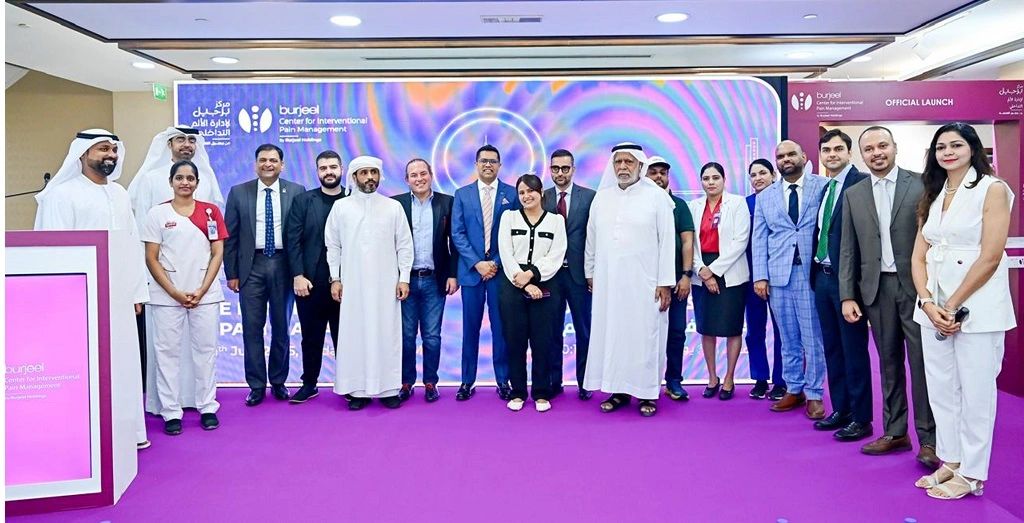
Burjeel Hospital Launches ‘Burjeel Center for Interventional Pain Management’ in Dubai
FEATURED IN ALKHALEEJ
Date: July 15, 2025
Khaleej Times is highlighting our innovative approach to advanced spine pain treatment.

Khaleej Times is highlighting our innovative approach to advanced spine pain treatment.
FEATURED IN ZAWYA
Date: July 14, 2025
Burjeel Hospital launches ‘Burjeel Center for Interventional Pain Management’ in Dubai
Led by Dr. Manish Raj, Specialist in Endoscopic Spine & Interventional Pain Medicine, the Burjeel Center for Interventional Pain Management is designed to provide expert pain management services…

Burjeel Hospital for Advanced Surgery, Dubai, has launched the Burjeel Center for Interventional Pain Management.
FEATURED IN EMIRATI TIMES
Date: July 14, 2025
Burjeel Hospital launches Interventional Pain Management Center
Spearheaded by Dr. Manish Raj, Specialist in Endoscopic Spine and Interventional Pain Medicine, the Burjeel Center for Interventional Pain Management offers…
Burjeel Hospital Launches ‘Burjeel Center for Interventional Pain Management’ in Dubai
FEATURED IN MSN
Date: July 14, 2025
From agony to relief: Dubai dad pain-free after 15-year ‘pinched nerve’ battle
Dr. Manish Raj identified Fahed was suffering cervical spinal cord compression – a condition that causes not only excruciating neck and arm pain but, over time, can severely weaken the muscles…

Fahed Shahed, along with other patients, inaugurates the Burjeel Center for Interventional Pain Management.
FEATURED IN ZAWYA
Date: July 14, 2025
Burjeel Hospital inaugurates first-of-its-kind Interventional Pain Management Centre in Dubai and the Northern Emirates
Equipped with the latest technology and supervised by a team of certified specialists, the center provides intensive care for chronic spine and joint pain, cancer pain…

Burjeel Advanced Surgery Hospital in Dubai has opened the Burjeel Interventional Pain Management Centre, the first of its kind in Dubai and the Northern Emirates, with a photo attached to the press release
FEATURED IN GULFTIME
Date: July 14, 2025
Burjeel Hospital Launches ‘Burjeel Center for Interventional Pain Management’ in Dubai
“We aim to provide transformative care that goes beyond temporary relief. Our multidisciplinary approach harnesses cutting-edge diagnostics and evidence-based therapies to empower patients to reclaim their lives, free from the limitations of chronic pain,” said Dr. Manish Raj

Burjeel Hospital Launches ‘Burjeel Center for Interventional Pain Management’ in Dubai
Our Patient’S Opinion
A. Taha2025-08-01Trustindex verifies that the original source of the review is Google. Dr. Manish is highly professional, exceptionally knowledgeable, and takes the time to explain everything in detail. If you're experiencing any spinal pain or related issues, I genuinely recommend visiting Dr. Manish. Thank you Dr. Manish! Ruben Martin2025-07-25Trustindex verifies that the original source of the review is Google. I came across Dr. Manish Raj by chance when researching about herniated lumbar disc treatments. I’m currently in Kuwait, where I suffered a work-related injury and had been experiencing severe pain for over a year. Dr. Manish consulted with me over the phone and thoroughly reviewed my case. He was knowledgeable, very responsive patiently addressing my concerns and so, instilled complete confidence in me, leading me to decide to travel to Dubai for the surgery..and it was the best decision I made! Just a few days after the procedure, I am walking without any pain. I can't believe my recovery time was only 15 days! I can't express enough gratitude for his professionalism and the care he provided. Thank you, Dr. Manish and your team, for this miracle. Your professionalism truly lives up to your reputation. YT Prem12025-07-21Trustindex verifies that the original source of the review is Google. I want to express my deepest gratitude to this doctor. He went above and beyond not only helping me during regular hours, but also taking time out of his personal time, which is truly not something to take for granted. What really stood out was that he even reached out to me from Miami, just to let me know exactly which medication and remedies I should get to feel better. And I have to say it worked. Thanks to his care and guidance, I genuinely feel much better now. It’s rare to come across a doctor who combines expertise with such kindness and dedication. I highly, highly recommend him. Thank you so much for everything! Shant Daldalian2025-06-22Trustindex verifies that the original source of the review is Google. One of the best decisions I made when I visited Dr. Manish to assess my condition of a severe leg pain which was preventing me from walking or seating. It is rear to find a Dr. who spend a lot of time explaining patients their condition and possible treatments. In my case I decided to go ahead with an endoscopic surgery which was successful and the same day of surgery I was able to walk without any pain. Md Saddam Hossain2025-06-21Trustindex verifies that the original source of the review is Google. My experience has been awesome after getting treatement for my L4-5 disc by endoscopic spine surgery. Im pain free today and back to my work. All thabks to him. May god bless him Trilok Panwar2025-06-21Trustindex verifies that the original source of the review is Google. Very knowledgeable doctor for spine and back pain laxmi Rawat2025-06-21Trustindex verifies that the original source of the review is Google. Top spine doctor of Dubai for spine pain. Happy I got my ultra- minimally invasive spine surgery done with him Mamta Joshi2025-06-21Trustindex verifies that the original source of the review is Google. He is one of the best humble doctor with great knowledge about spine pain. Panjak Rawat Golo2025-06-21Trustindex verifies that the original source of the review is Google. Most experienced endoscopic spine surgeon in dubai and you'll not regret decision of getting operated by him. My mother is happy after the treatment . Ganesh Rrawat2025-06-21Trustindex verifies that the original source of the review is Google. Best spine doctor in dubai for spine pain and endoscopic spine surgery. I'm pain free after L4-5 disc surgery
OUR AFFILIATIONS

STILL HAVE QUESTIONS?
We’ve Got Answers
Potential causes of back pain include muscle strains or sprains, herniated or bulging discs, degenerative disc disease, osteoarthritis, spinal stenosis, scoliosis, skeletal irregularities, osteoporosis, infections or tumors, and other medical conditions like kidney stones or endometriosis. It’s essential to seek medical evaluation to accurately diagnose the underlying cause and determine the appropriate treatment plan for managing your back pain effectively.
Yes, there are several non-invasive or minimally invasive treatments for back pain that can be explored before considering surgery. These may include physical therapy, over-the-counter or prescription pain medications, epidural steroid injections, nerve blocks.
Minimally invasive option is radio-frequency ablation, where heat generated by radio-frequency waves is used to interrupt nerve signals responsible for transmitting pain from the affected area of the spine. Additionally, minimally invasive lumbar decompression procedures, such as endoscopic discectomy or Endoscopic spine procedure, involve removing a portion of the damaged disc or bone to relieve pressure on spinal nerves causing back pain. These minimally invasive treatments typically result in shorter recovery times, less post-operative pain, and reduced risk of complications compared to traditional open surgery. It’s crucial to work closely with a healthcare professional to develop a personalized treatment plan tailored to your specific needs.
The expected duration for recovery or improvement in back pain can vary widely depending on the cause of the pain, the severity of the condition, and individual factors such as overall health and adherence to treatment recommendations. In many cases, acute back pain caused by muscle strains or sprains may improve within a few days to a few weeks with conservative treatments such as rest, gentle stretching, over-the-counter pain medications, and physical therapy. Chronic back pain, on the other hand, may require a longer recovery period and ongoing management strategies such as exercise, lifestyle modifications, and possibly medication or other interventions to manage symptoms and prevent flare-ups. It’s essential to work closely with a healthcare professional to develop a personalized treatment plan and monitor progress over time to achieve optimal recovery and long-term management of back pain.
Several diagnostic tests can help identify the underlying cause of back pain. These tests may include:
- X-rays: X-rays provide images of the bones in the spine and can help detect fractures, bone spurs, or degenerative changes.
- MRI (Magnetic Resonance Imaging): MRI scans produce detailed images of the spine’s soft tissues, including discs, nerves, and muscles, helping to identify conditions such as herniated discs, spinal stenosis, or tumors.
- CT (Computed Tomography) Scan: CT scans provide detailed cross-sectional images of the spine and can reveal more precise details of bony structures than X-rays, making them useful for diagnosing conditions such as fractures, spinal deformities, or tumors.
- EMG (Electromyography): EMG tests measure the electrical activity of muscles and nerves, helping to diagnose conditions such as nerve compression or damage, such as sciatica.
- Bone Scans: Bone scans involve injecting a small amount of radioactive material into the bloodstream, which is absorbed by bone tissue. Areas of increased bone activity, such as those caused by fractures, infections, or tumors, can be detected with this test.
- Blood Tests: Blood tests may be ordered to check for signs of inflammation, infection, or other systemic conditions that could be contributing to back pain, such as rheumatoid arthritis or osteoporosis.
The available treatment options for back pain depend on the underlying cause, severity, and individual factors such as overall health and medical history. Some common treatment options and their likelihood of success include:
1. Conservative treatments:
- Rest: Resting for a short period may help relieve acute back pain caused by muscle strains or sprains.
- Physical therapy: Physical therapy exercises and techniques can improve strength, flexibility, and posture, reducing pain and preventing future episodes.
- Pain medications: Over-the-counter or prescription pain medications such as nonsteroidal anti-inflammatory drugs (NSAIDs), acetaminophen, or muscle relaxants can provide relief from back pain.
- Heat or ice therapy: Applying heat or ice packs to the affected area may help reduce inflammation and alleviate pain.
- Lifestyle modifications: Maintaining a healthy weight, practicing good posture, and avoiding activities that exacerbate back pain can help manage symptoms.
2. Minimally invasive procedures:
- Epidural steroid injections: Injecting corticosteroids into the epidural space around the spinal nerves can reduce inflammation and relieve pain.
- Facet joint injections: Injecting a combination of local anesthetic and corticosteroids into the facet joints can alleviate pain caused by inflammation or arthritis.
- Radiofrequency ablation: This procedure uses heat generated by radio-frequency waves to disrupt nerve signals responsible for transmitting pain, providing long-term pain relief.
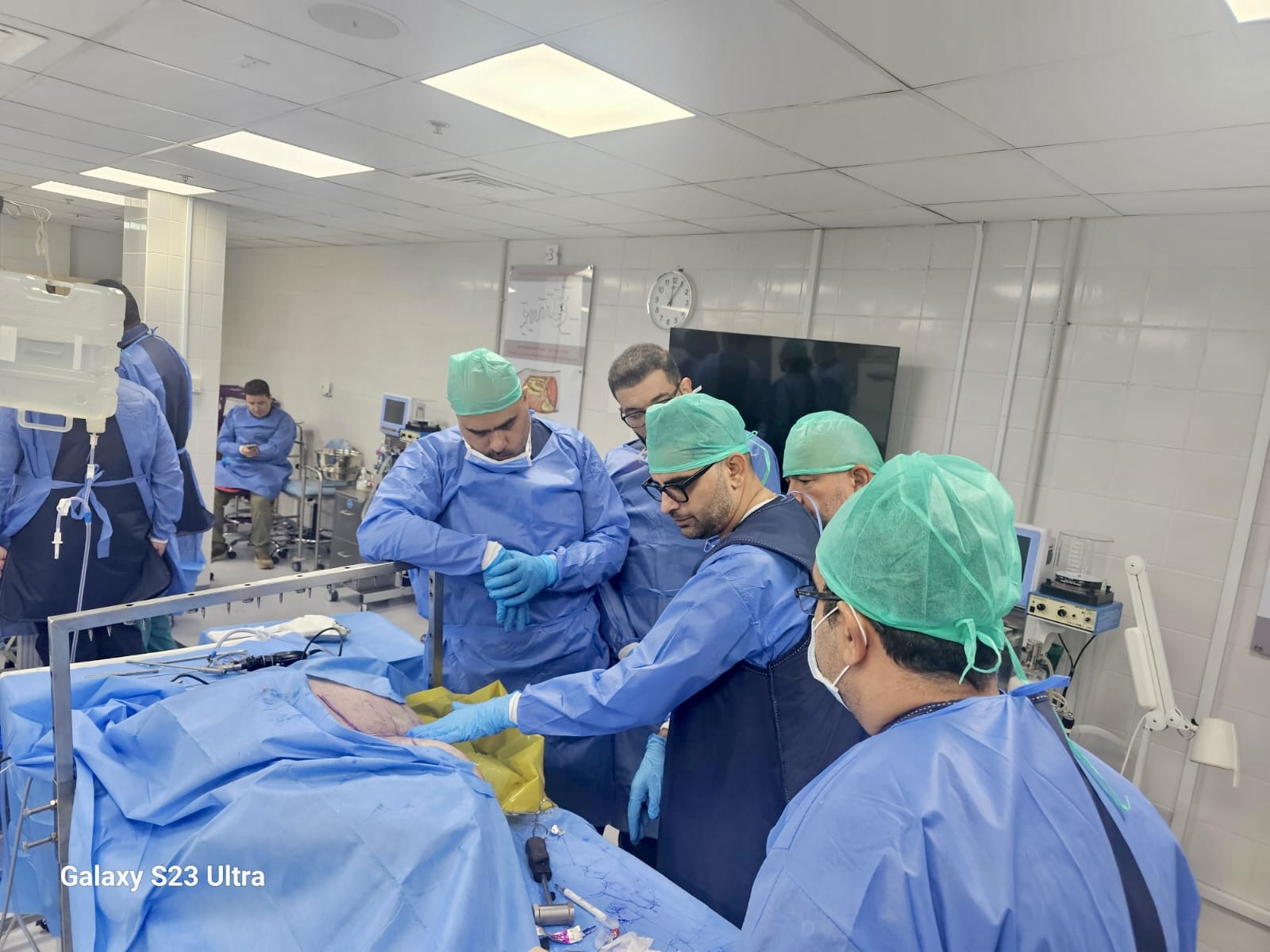
- Endoscopic Spine Procedure: An endoscopic spine procedure is a minimally invasive surgical technique used to diagnose and treat spine conditions. It involves inserting a thin tube with a camera and surgical instruments through a small incision in the skin to access and treat the spine, allowing for visualization and treatment of spinal structures while minimizing tissue damage and recovery time compared to traditional open surgery.
- Spinal cord Stimulator -A spinal cord stimulator (SCS) is a device implanted near the spine that delivers electrical impulses to the spinal cord to alleviate chronic pain. It works by interrupting pain signals before they reach the brain, thereby reducing the sensation of pain. SCS is often used to treat chronic back or limb pain that has not responded to other treatments. It can significantly improve quality of life for individuals with chronic pain conditions.
- Reactive Multifidus muscle stimulator- The Reactiv8 Multifidus Stimulator is a medical device designed to target and stimulate the multifidus muscle, which supports the spine’s stability. It aims to improve back pain and function by restoring the multifidus muscle’s activation and function.
- Sacroiliac joint fusion – SI joint fusion is a surgical procedure that aims to stabilize the sacroiliac joint (SI joint) by fusing the bones together using implants or bone grafts. It is typically performed to alleviate chronic SI joint pain caused by degeneration, injury, or instability.
- Indirect spine fusion – Indirect spine fusion refers to minimally invasive technique where fusion of spinal bones is achieved without directly placing bone grafts or implants between the vertebrae. Instead, bone growth is stimulated by placing materials such as bone graft substitutes, proteins, or scaffolds around the spine to encourage natural fusion over time.
3. Open Surgical interventions:
- Discectomy: Surgical removal of a herniated disc or portion of a damaged disc to relieve pressure on spinal nerves.
- Spinal fusion: Joining two or more vertebrae together with bone grafts or metal hardware to stabilize the spine and reduce pain caused by spinal instability.
- Decompression surgery: Removing bone or tissue that’s compressing spinal nerves to relieve pain and improve mobility.
- The likelihood of success with each treatment option varies depending on factors such as the specific cause of back pain, the patient’s overall health, and individual response to treatment. In many cases, conservative treatments and minimally invasive procedures are effective in providing relief from back pain without the need for surgery in more than 90% of the cases. It’s essential to work closely with a healthcare provider to determine the most appropriate treatment plan tailored to your specific needs and preferences.
Yes, there are specific warning signs in back pain that indicate you should seek medical attention immediately. These include back pain that is severe, sudden, or accompanied by weakness, numbness, or tingling in the legs or arms, especially if it affects both sides of the body. Other concerning symptoms include loss of bowel or bladder control, difficulty walking or standing, fever, chills, unexplained weight loss, or a history of cancer. These symptoms may indicate a serious underlying condition such as a spinal infection, cauda equina syndrome, or spinal cord compression, which requires prompt medical evaluation and treatment to prevent potentially serious complications.
The long-term plan for managing back pain typically involves a combination of strategies aimed at reducing pain, improving function, and preventing future flare-ups. This may include continuing with exercises and stretches prescribed by a physical therapist to maintain strength and flexibility in the back and core muscles, practicing good posture and body mechanics, managing weight through a healthy diet and regular exercise, and avoiding activities that exacerbate symptoms. Additionally, staying proactive in your own recovery by adhering to treatment recommendations, staying active, practicing stress management techniques, and communicating openly with healthcare providers about any changes or concerns can play a crucial role in managing and minimizing the impact of back pain on your daily life.