Non surgical treatments
Epidural Spine injections
Endoscopic Spine surgery
Radiofrequency / Laser ablation
PRP/Stem cell therapy
Non-Surgical Back & Neck Pain Treatment
Book An Appointment
Call us in office time between 9.00am to 6.00pm
Get faster reply in just 30 minutes on WhatsApp
or you can email us at [email protected] to book an appointment with us.
Non surgical treatments
Epidural Spine injections
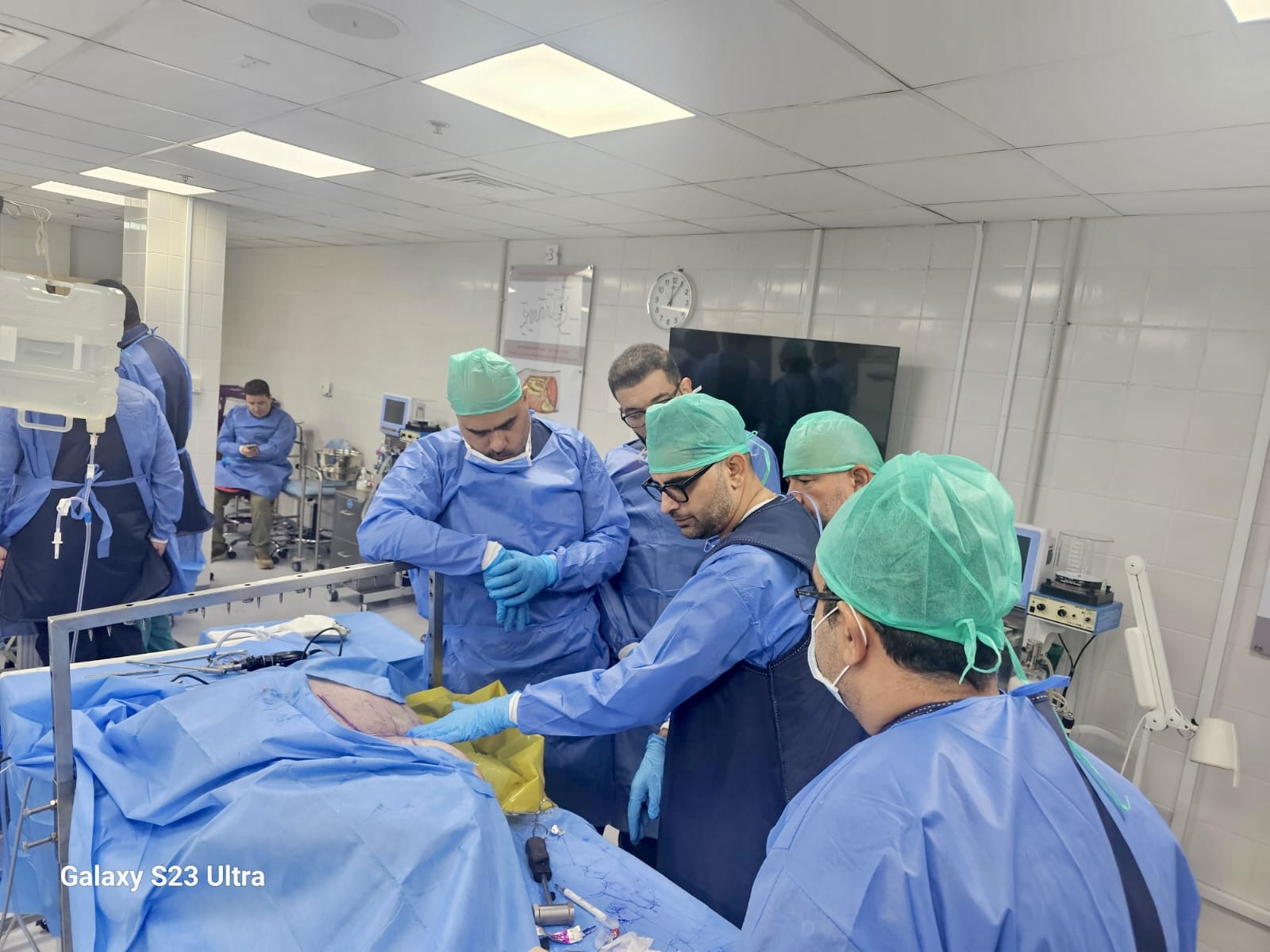
Endoscopic Spine surgery
Radiofrequency / Laser ablation
PRP/Stem cell therapy

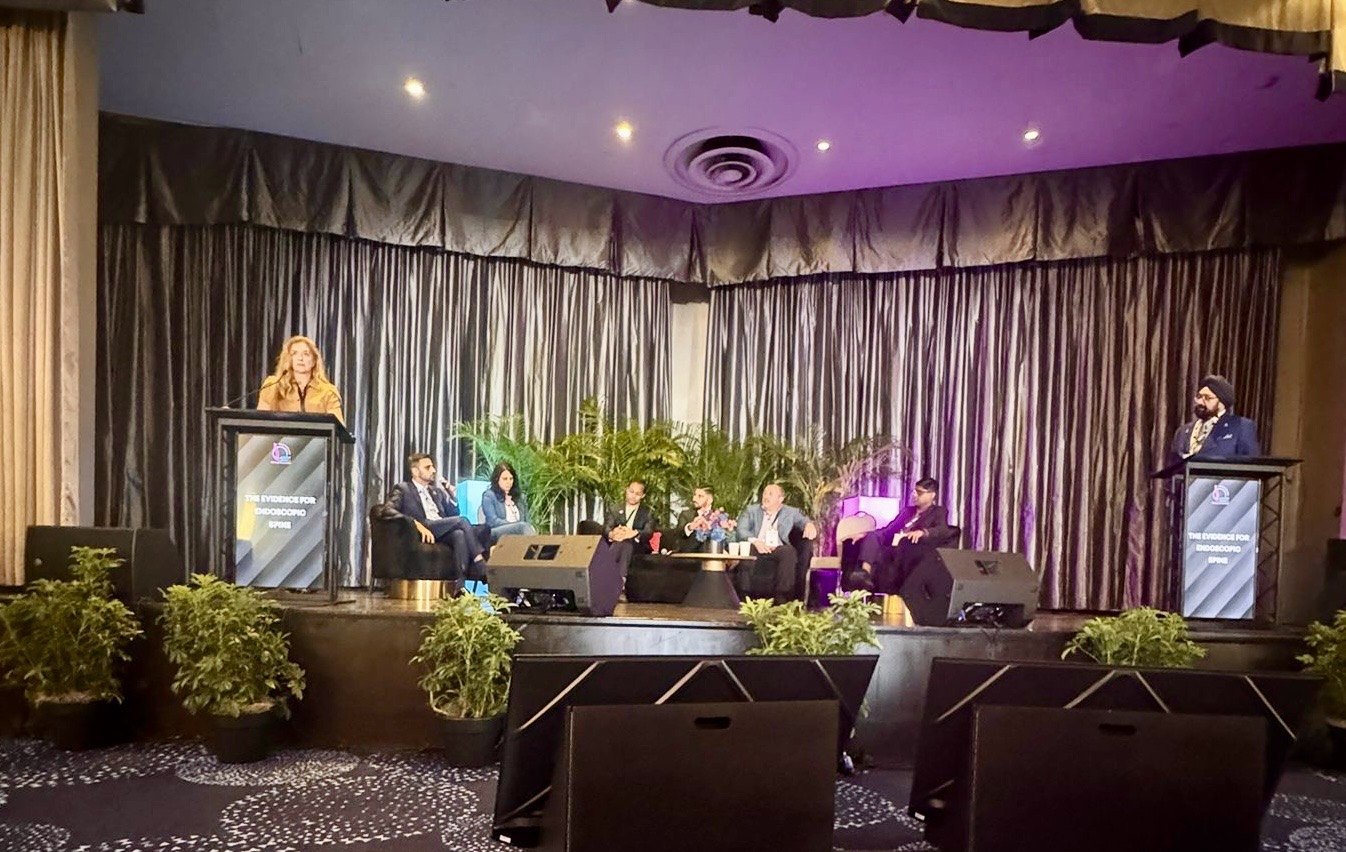
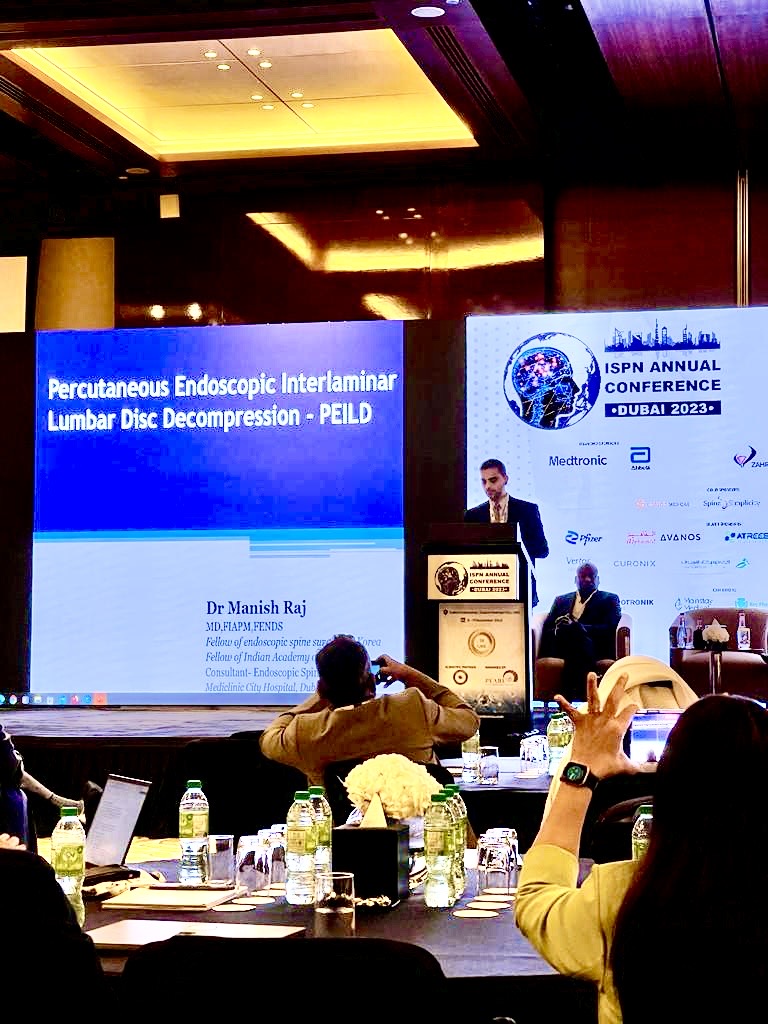
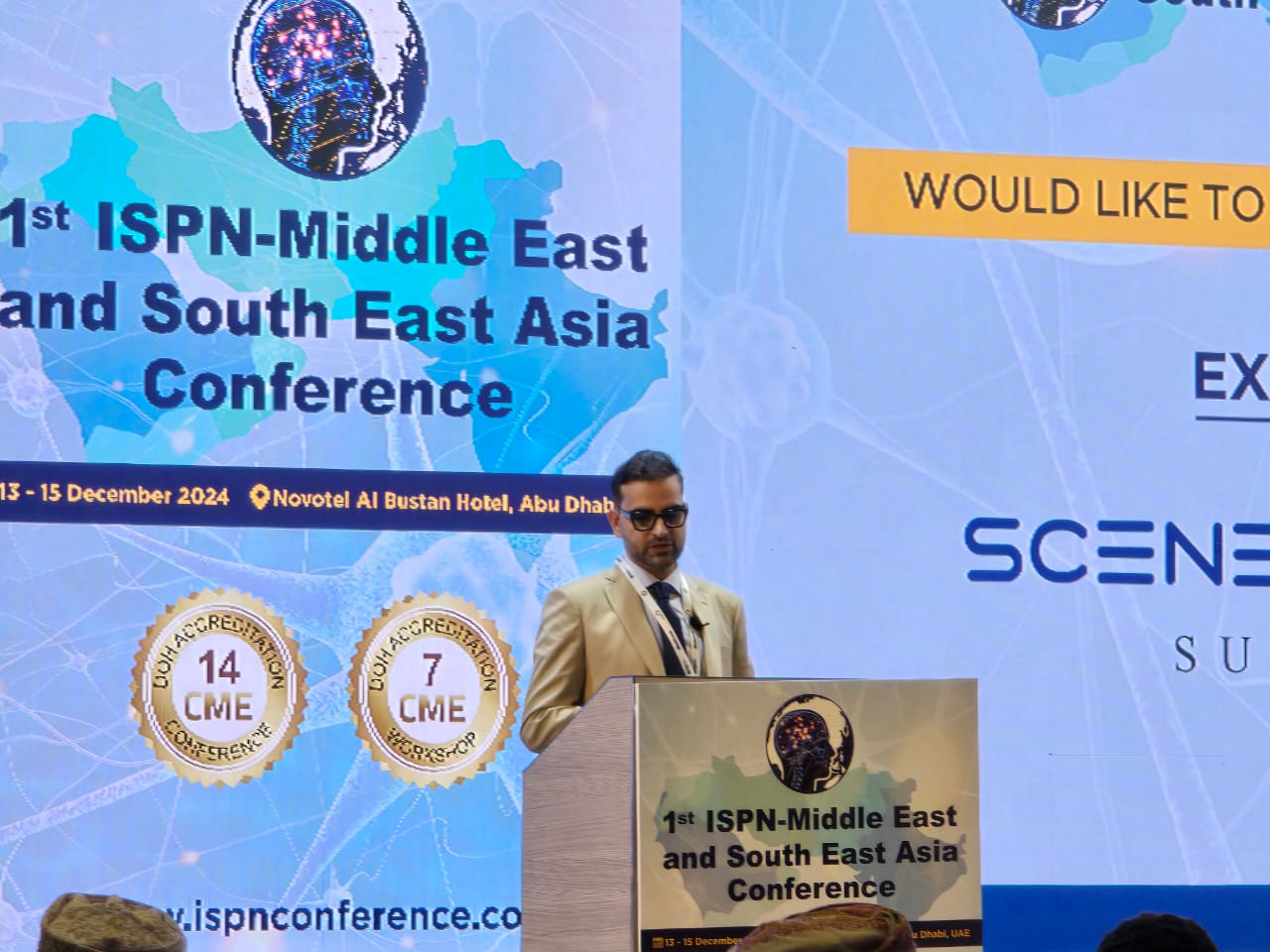
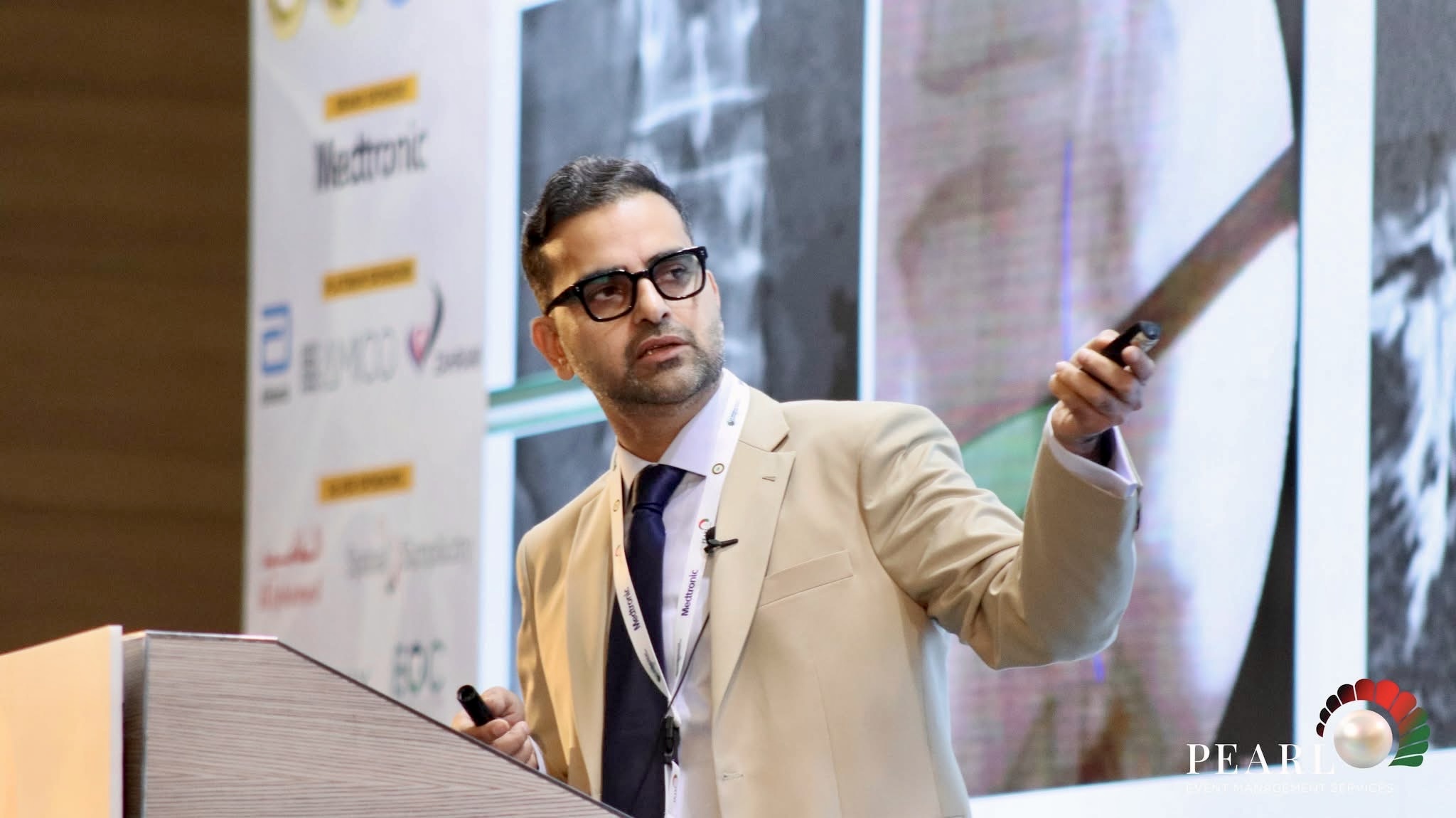
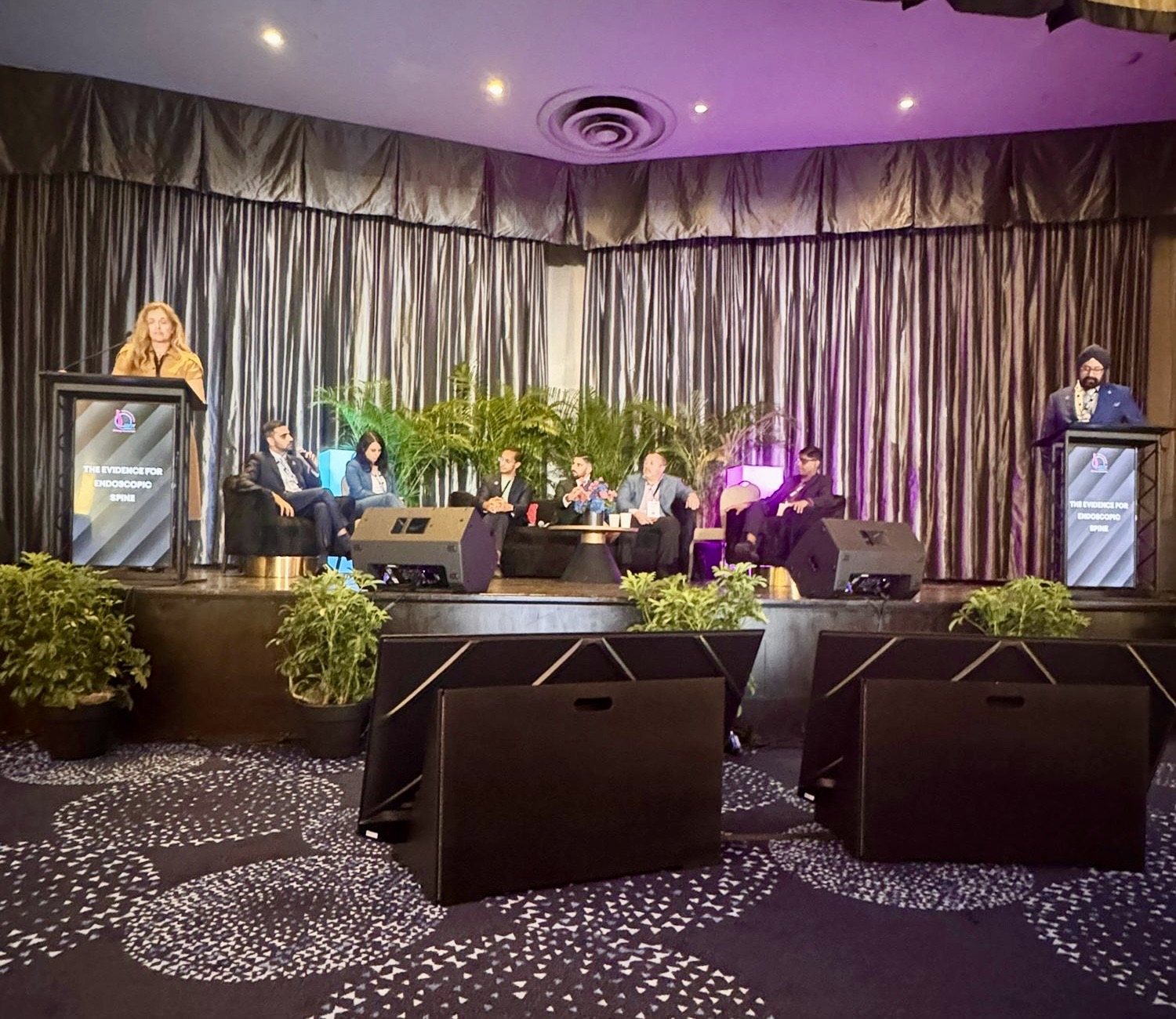
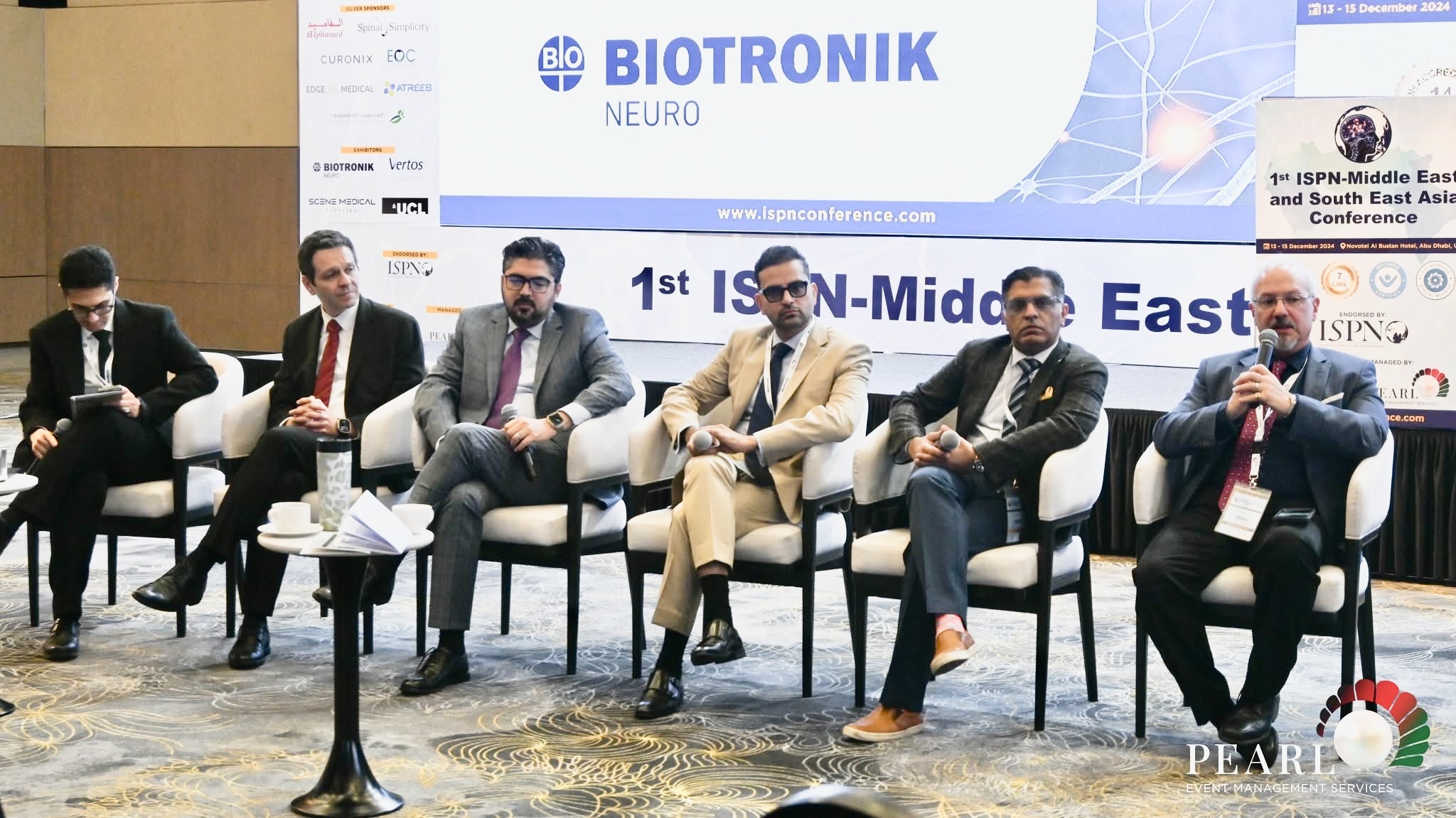
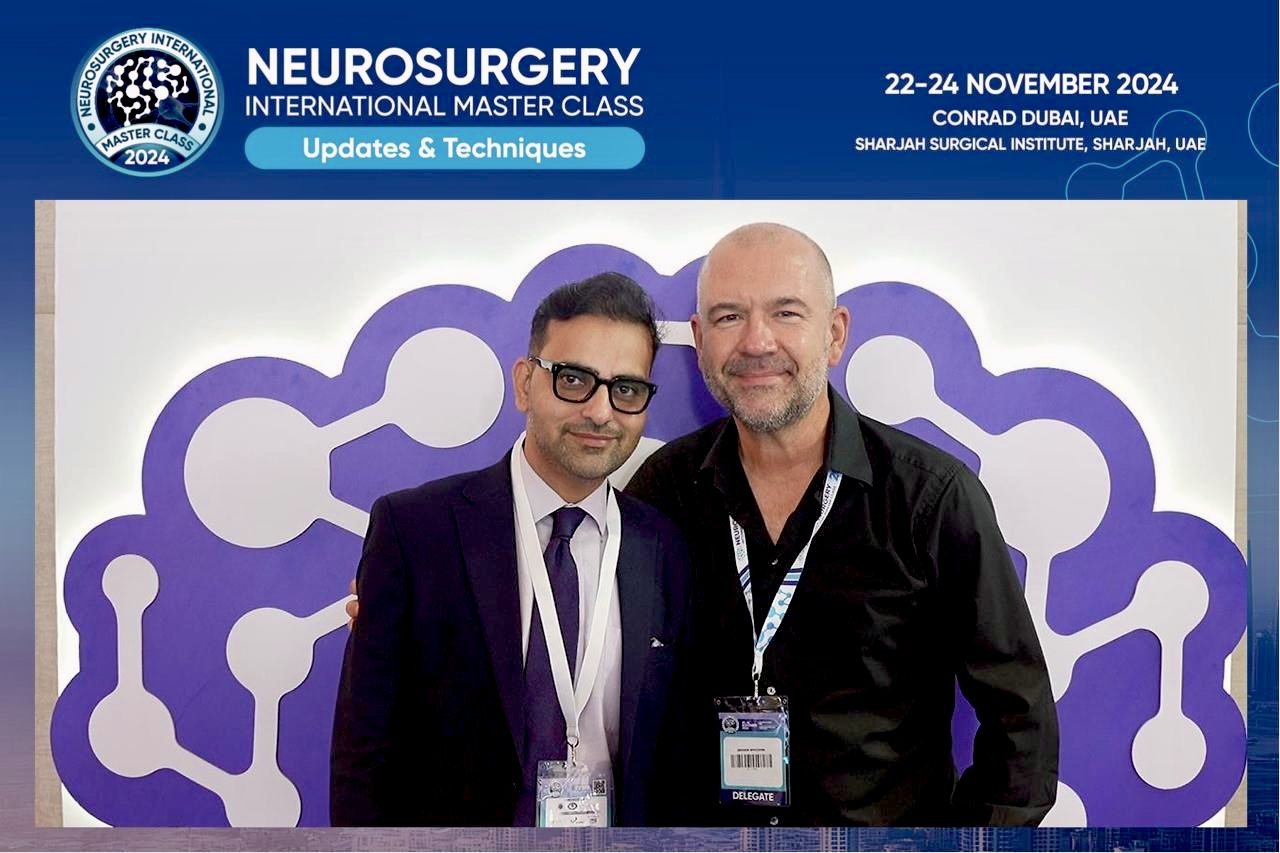
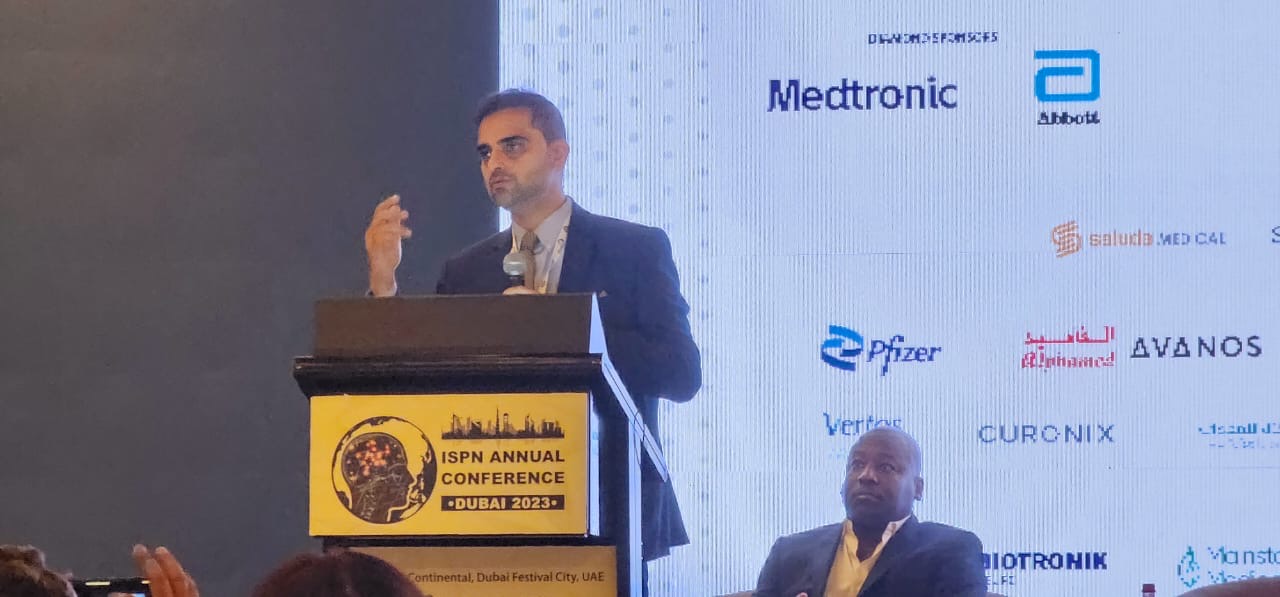
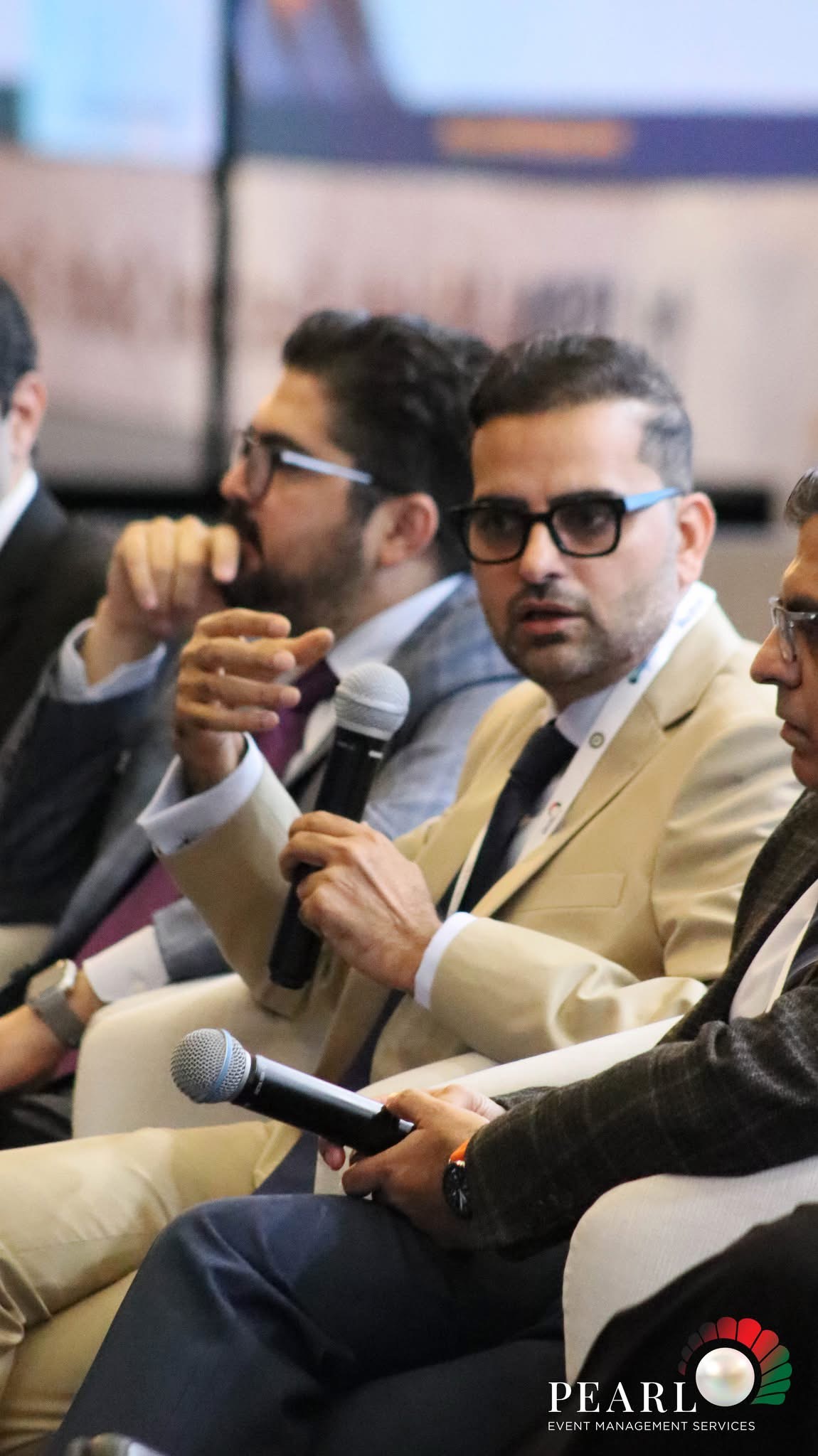
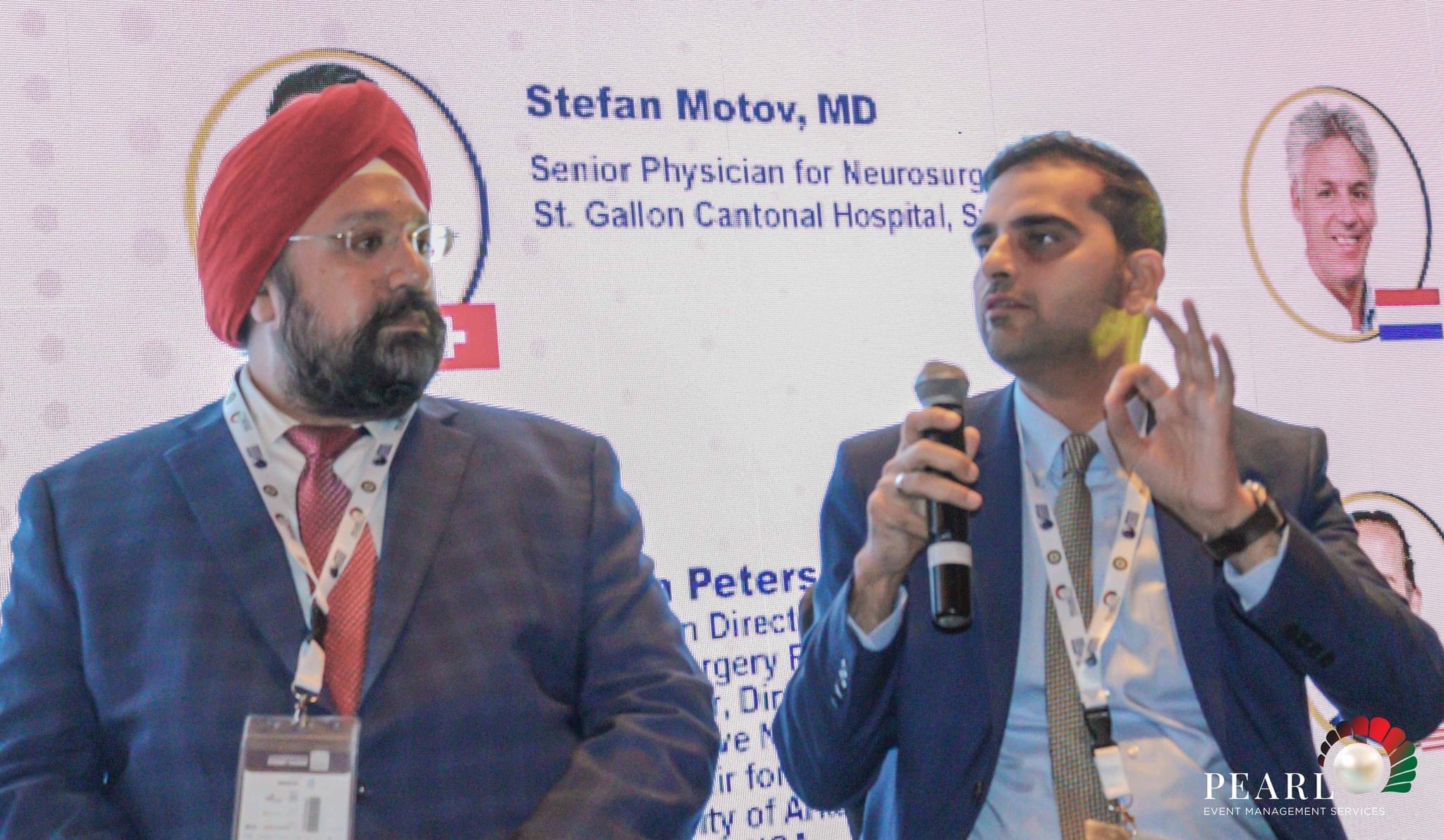
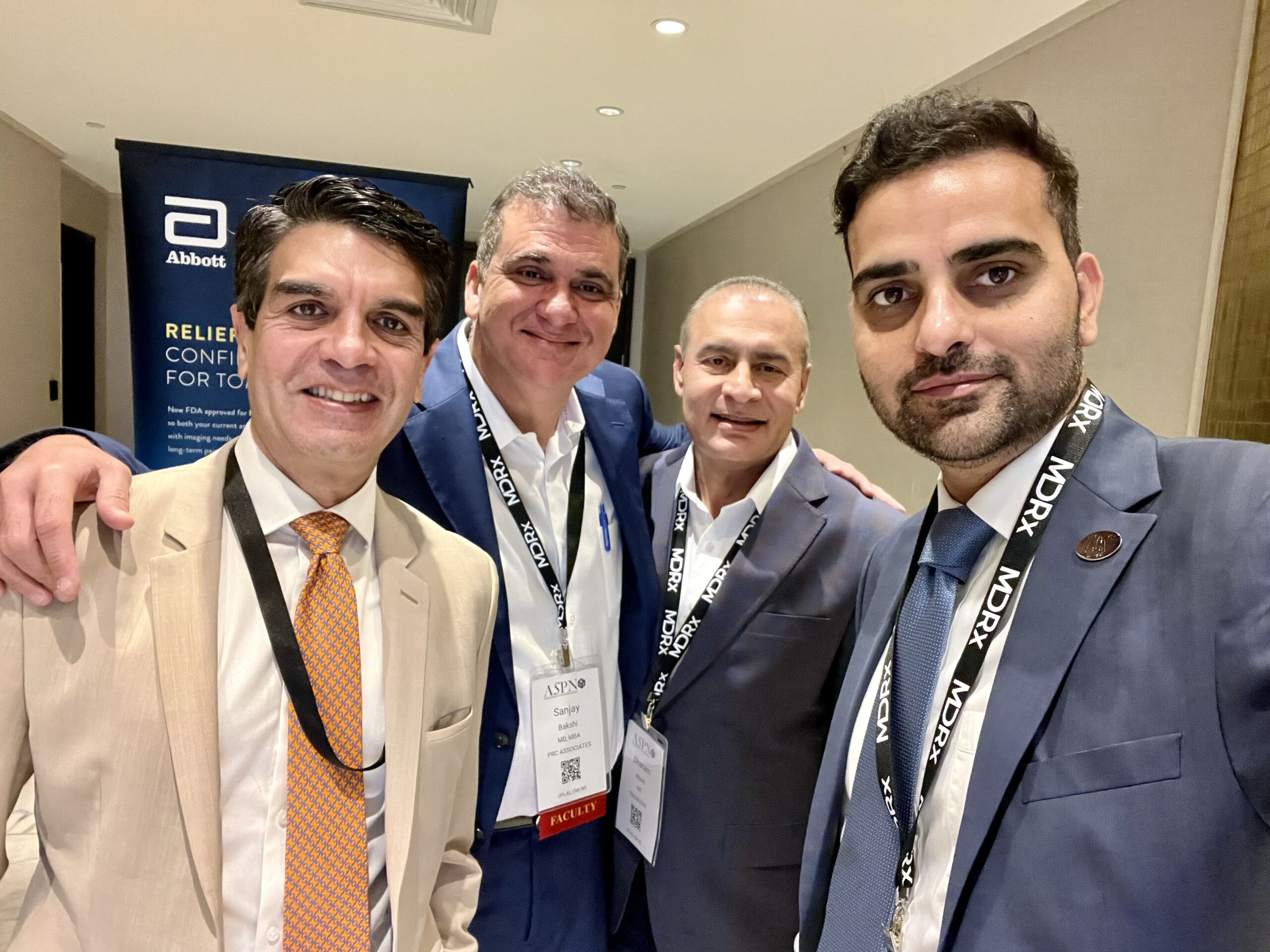
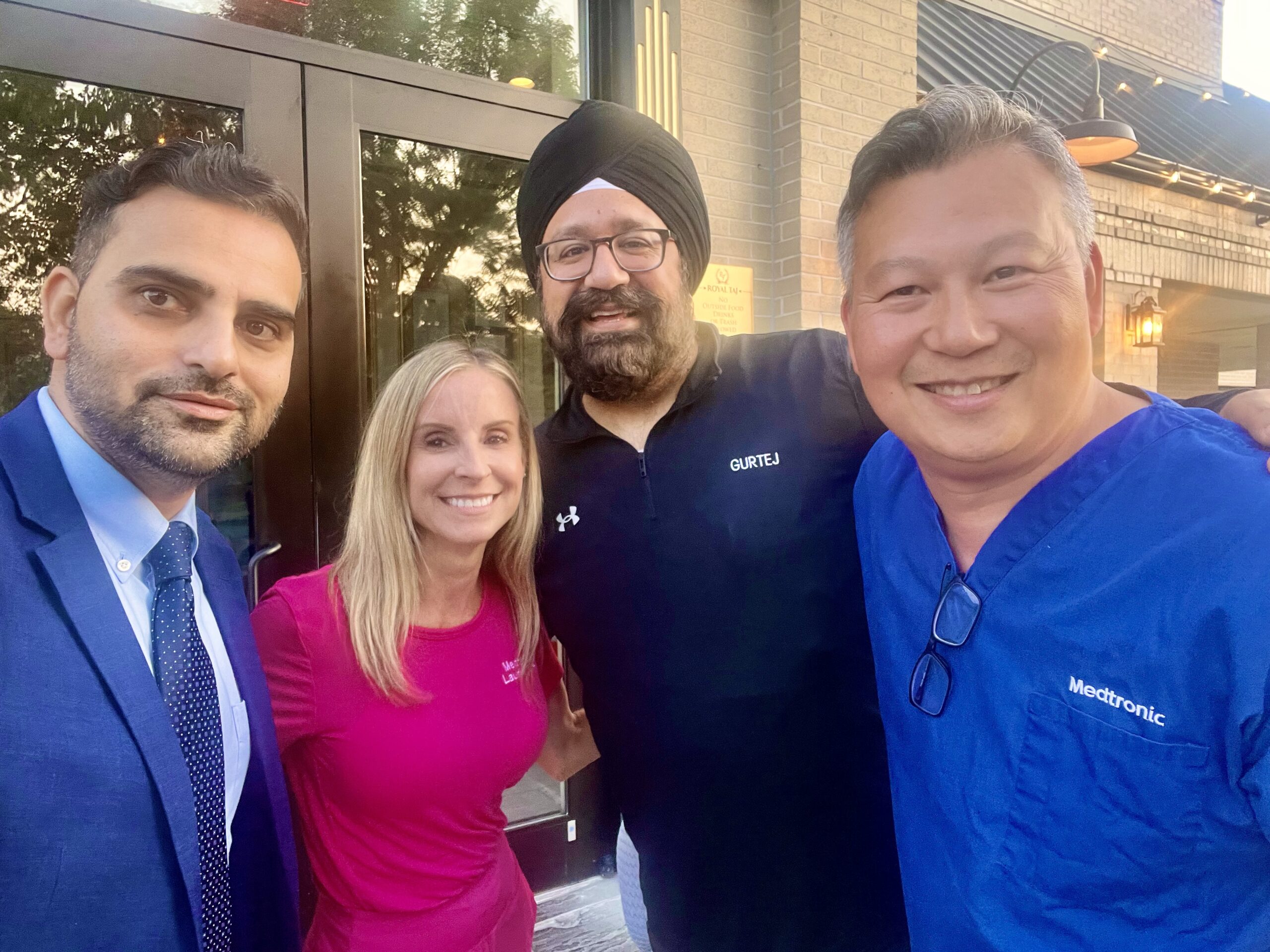
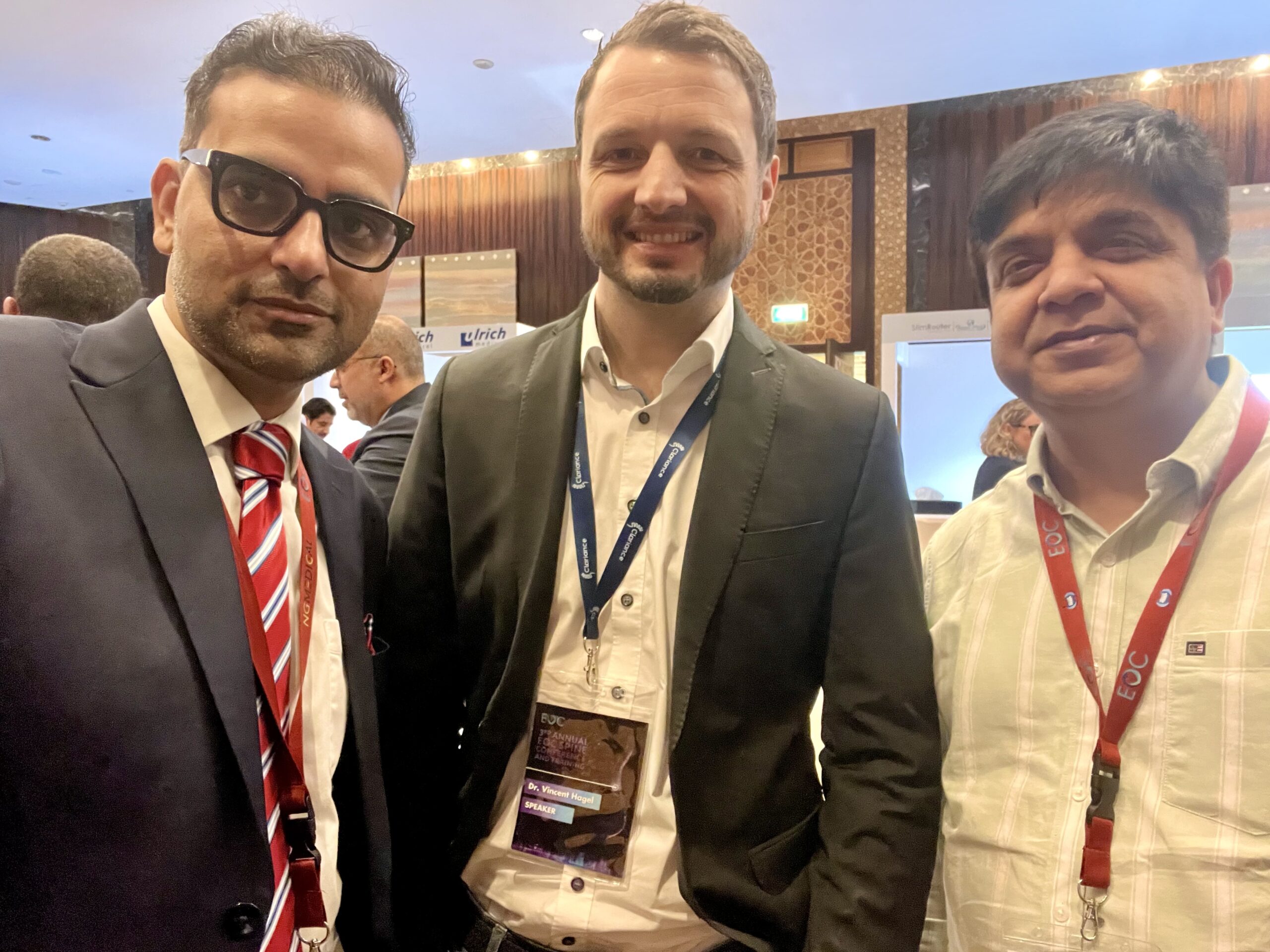
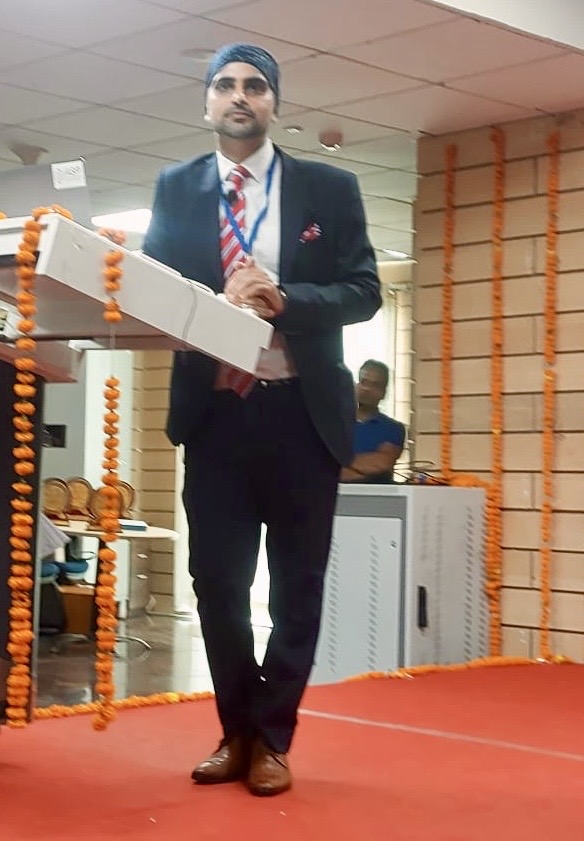
Dr. Manish Raj
MD, DA(Gold Medal), FENDS, FIAPM, FISP, FPM
MEET YOUR DOCTOR
Relieve Back & Neck Pain Without Surgery
Back and neck pain can often be effectively managed without surgery. Non-surgical treatments focus on reducing pain, improving mobility, and helping you return to daily activities safely. Depending on your condition, treatment options may include medications, physiotherapy, lifestyle modifications, and targeted pain management procedures.
This approach is ideal for patients with conditions such as muscle strain, disc problems, arthritis, or early-stage spine issues.
Consult a spine specialist to understand which non-surgical treatment is best suited for your condition.
FEATURED IN GULF NEWS
Date: July 14, 2025
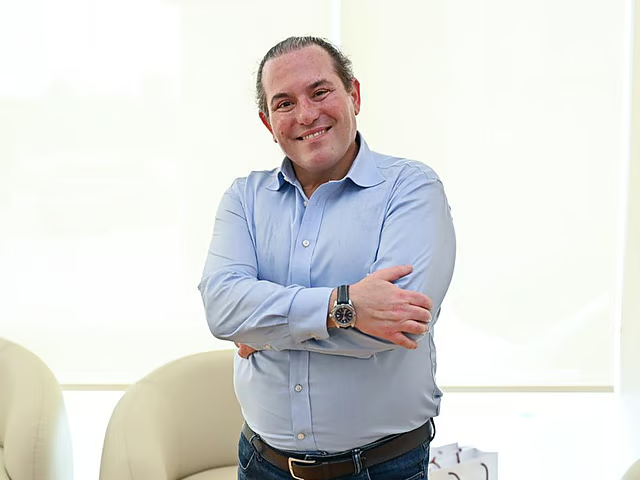
From agony to relief: Dubai dad pain-free after 15-year ‘pinched nerve’ battle
Dr. Manish Raj, Specialist in Interventional Pain Medicine, assured Fahed of a pain-free life. “It was a coincidence that I met Dr. Manish,” said Fahed.
From agony to relief: Dubai dad pain-free after 15-year ‘pinched nerve’ battle
FEATURED IN GULF NEWS
Date: July 30, 2025
Meet the UAE doctor battling Salman Khan’s painful and rare nerve disorder: ‘It’s hell’
Dr. Manish Raj, Specialist in Interventional Pain Medicine, assured Fahed of a pain-free life. “It was a coincidence that I met Dr. Manish,” said Fahed.
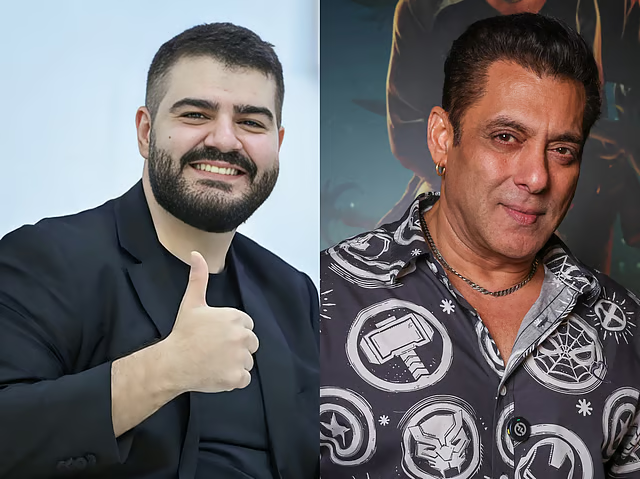
A combination photo of Dr Abdulrahman Mogharbel and Indian actor Salman Khan – both suffering from trigeminal neuralgia, a chronic condition that causes intense, electric shock-like facial pain.
FEATURED IN GULF NEWS
Date: June 12, 2025
Advanced Pain Treatment That Transforms Pain Management in The UAE
According to Dr. Manish Raj, Specialist in Interventional Pain Medicine at the Center, “Every Patient has a Unique Pain Story that Requires a Tailored Treatment Plan“.
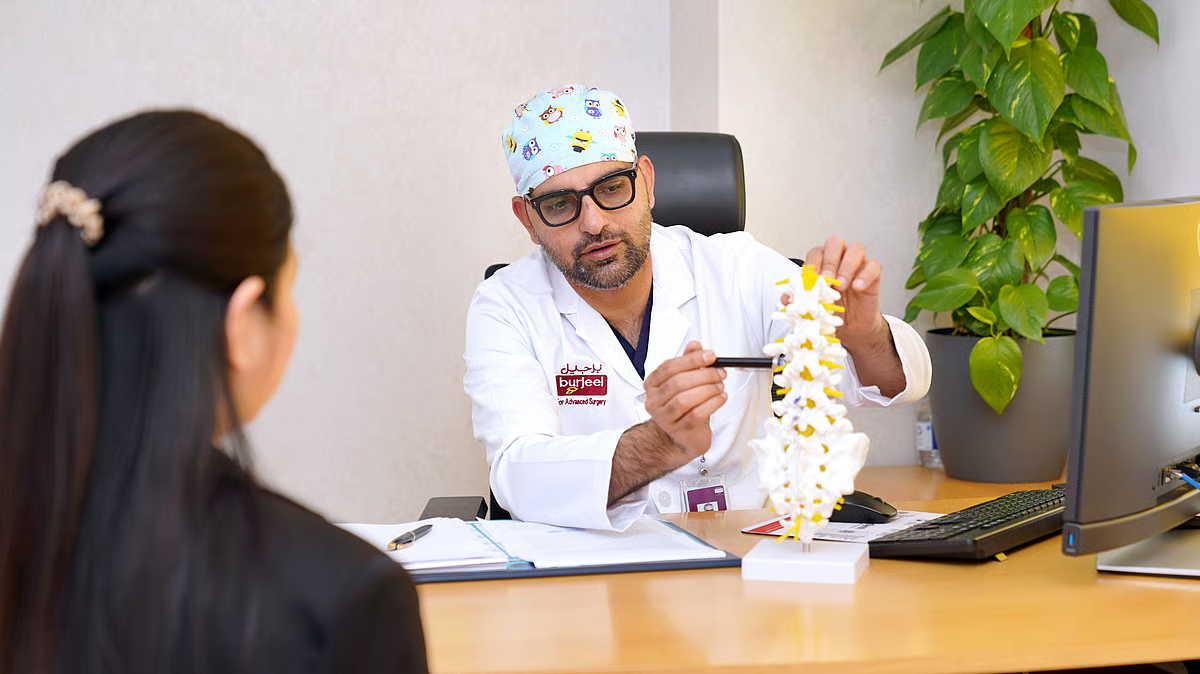
Dr Manish Raj, Specialist in Interventional Pain Medicine, at Burjeel Hospital Dubai, Explaining the Center for Advanced Pain Treatment’s Approach to Diagnosing and Treating Pain
FEATURED IN ARABIANBUSINESS
Date: July 14, 2025
Dubai’s first dedicated interventional pain management centre opens at Burjeel Hospital
Procedures offered include endoscopic spine surgery, SI joint fusion, indirect fusion, endoscopic-assisted fusion, spinal cord stimulator, intrathecal pump and day care pain interventions…
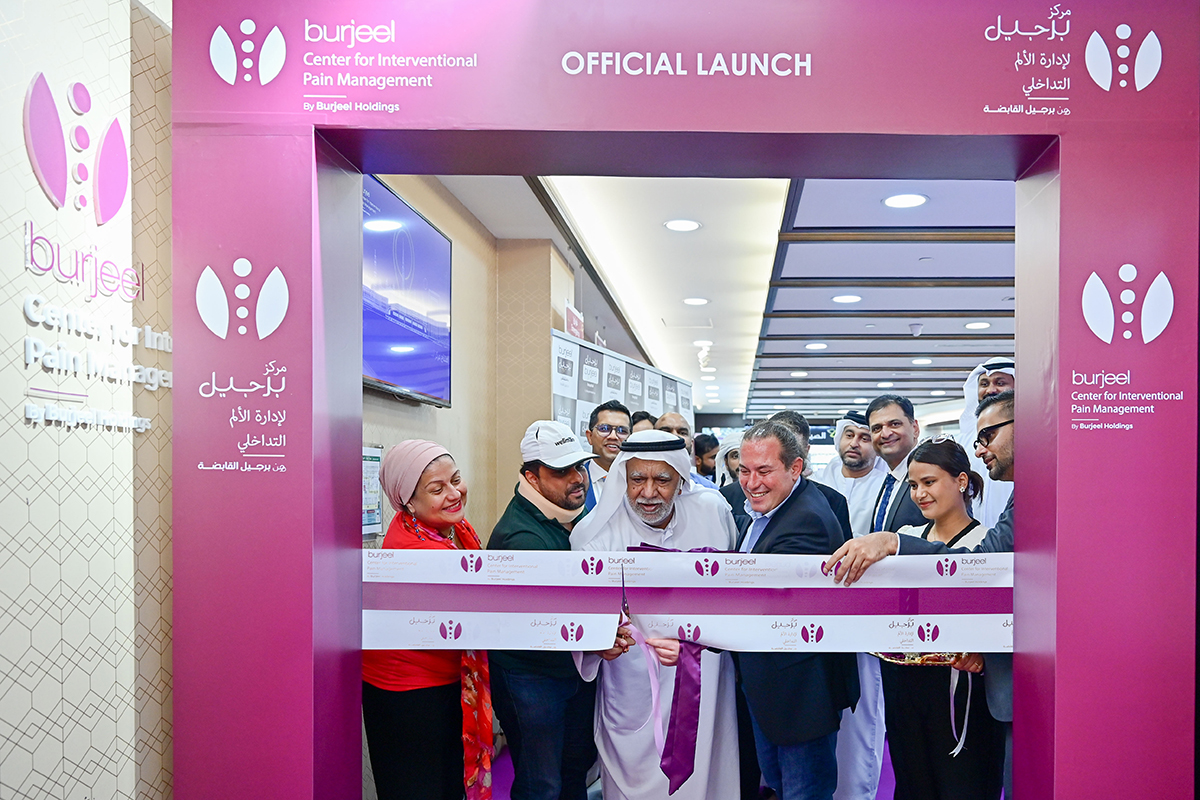
The facility combines clinical expertise with technology to diagnose and treat chronic spine and joint pain, cancer-related pain, and nerve and musculoskeletal disorders.
FEATURED IN ALBAWABA
Date: July 14, 2025
Burjeel Hospital Launches ‘Burjeel Center for Interventional Pain Management’ in Dubai
To support patients in managing pain through safe and effective treatments, Burjeel Hospital for Advanced Surgery, Dubai, has launched the Burjeel Center for Interventional Pain Management…
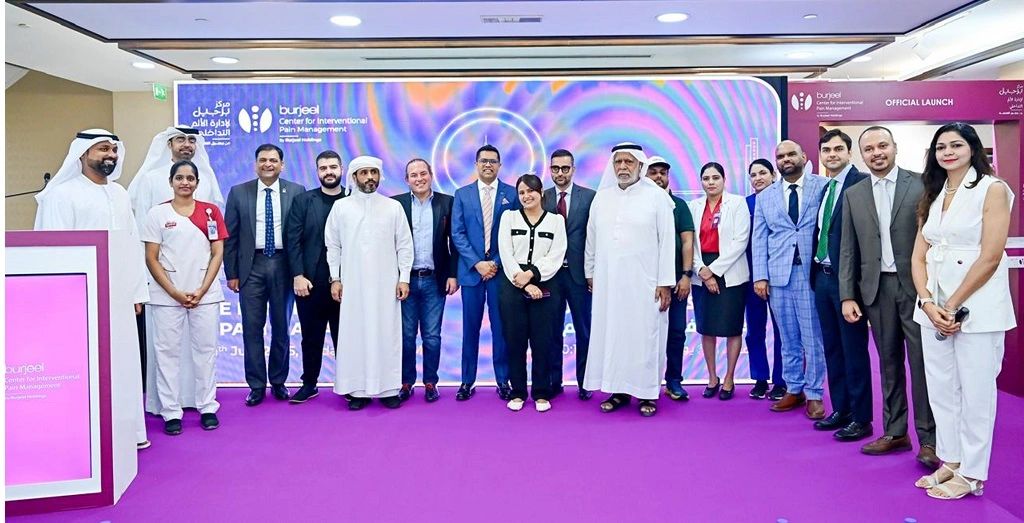
Burjeel Hospital Launches ‘Burjeel Center for Interventional Pain Management’ in Dubai
FEATURED IN ALKHALEEJ
Date: July 15, 2025
Khaleej Times is highlighting our innovative approach to advanced spine pain treatment.
Khaleej Times is highlighting our innovative approach to advanced spine pain treatment.
Khaleej Times is highlighting our innovative approach to advanced spine pain treatment.
FEATURED IN ZAWYA
Date: July 14, 2025
Burjeel Hospital launches ‘Burjeel Center for Interventional Pain Management’ in Dubai
Led by Dr. Manish Raj, Specialist in Endoscopic Spine & Interventional Pain Medicine, the Burjeel Center for Interventional Pain Management is designed to provide expert pain management services…
Burjeel Hospital for Advanced Surgery, Dubai, has launched the Burjeel Center for Interventional Pain Management.
FEATURED IN EMIRATI TIMES
Date: July 14, 2025
Burjeel Hospital launches Interventional Pain Management Center
Spearheaded by Dr. Manish Raj, Specialist in Endoscopic Spine and Interventional Pain Medicine, the Burjeel Center for Interventional Pain Management offers…
Burjeel Hospital Launches ‘Burjeel Center for Interventional Pain Management’ in Dubai
FEATURED IN MSN
Date: July 14, 2025
From agony to relief: Dubai dad pain-free after 15-year ‘pinched nerve’ battle
Dr. Manish Raj identified Fahed was suffering cervical spinal cord compression – a condition that causes not only excruciating neck and arm pain but, over time, can severely weaken the muscles…

Fahed Shahed, along with other patients, inaugurates the Burjeel Center for Interventional Pain Management.
FEATURED IN ZAWYA
Date: July 14, 2025
Burjeel Hospital inaugurates first-of-its-kind Interventional Pain Management Centre in Dubai and the Northern Emirates
Equipped with the latest technology and supervised by a team of certified specialists, the center provides intensive care for chronic spine and joint pain, cancer pain…
Burjeel Advanced Surgery Hospital in Dubai has opened the Burjeel Interventional Pain Management Centre, the first of its kind in Dubai and the Northern Emirates, with a photo attached to the press release
FEATURED IN GULFTIME
Date: July 14, 2025
Burjeel Hospital Launches ‘Burjeel Center for Interventional Pain Management’ in Dubai
“We aim to provide transformative care that goes beyond temporary relief. Our multidisciplinary approach harnesses cutting-edge diagnostics and evidence-based therapies to empower patients to reclaim their lives, free from the limitations of chronic pain,” said Dr. Manish Raj
Burjeel Hospital Launches ‘Burjeel Center for Interventional Pain Management’ in Dubai
Our Patient’S Opinion
OUR AFFILIATIONS